

What does biodiversity actually mean for communities?
For many people, biodiversity is an abstract concept, something that does not always feel connected to everyday life. But what does it actually mean for communities?
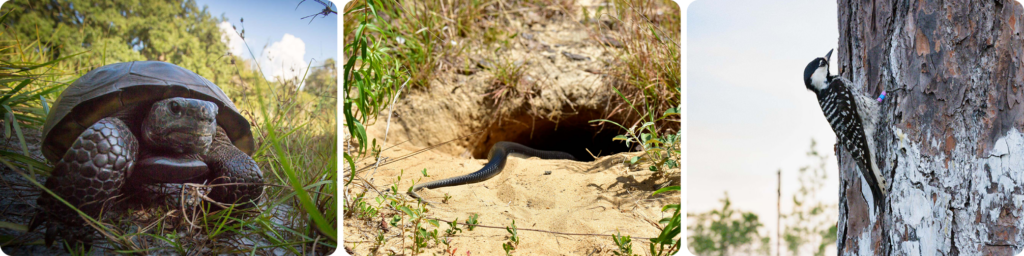
In the southeastern US, one answer starts with an animal that spends its entire life within a mile of where it was born: the gopher tortoise.
The gopher tortoise digs burrows up to 40 feet long that shelter more than 350 other species, including frogs, owls, snakes, and the game animals at the heart of a hunting and outdoor recreation economy worth billions annually across the rural Southeast. One slow-moving reptile creates the conditions an entire community of wildlife depends on. Remove the tortoise, and hundreds of species lose the shelter they need to survive.
That is what biodiversity looks like in practice, and why it matters for people.
Healthy, species-rich forests filter water before it reaches treatment systems, support the fish populations that sustain fishing economies, and maintain the productive working lands that rural communities depend on. Biodiversity is not a luxury. It is infrastructure.
The challenge and opportunity in the Southeast
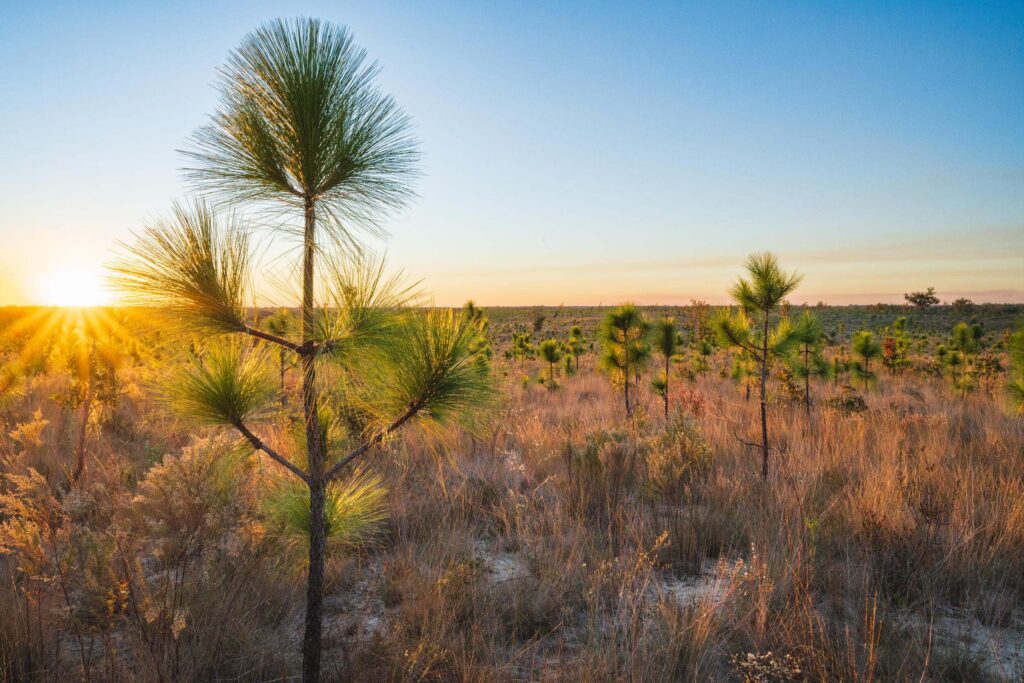
The gopher tortoise depends on longleaf pine ecosystems, which once covered an estimated 90 million acres across the Southeast. Today, less than 3% of that range remains.
At the same time, the region holds the largest concentration of reforestation opportunity in the United States, much of it on private land.
This creates a powerful opportunity.
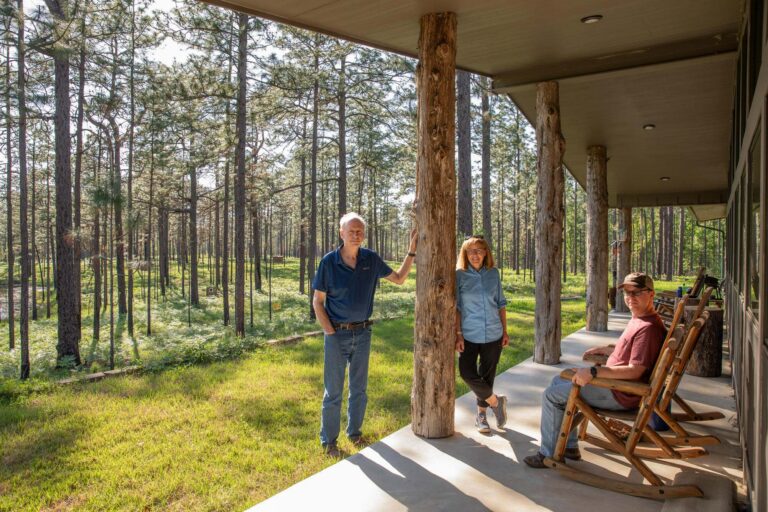
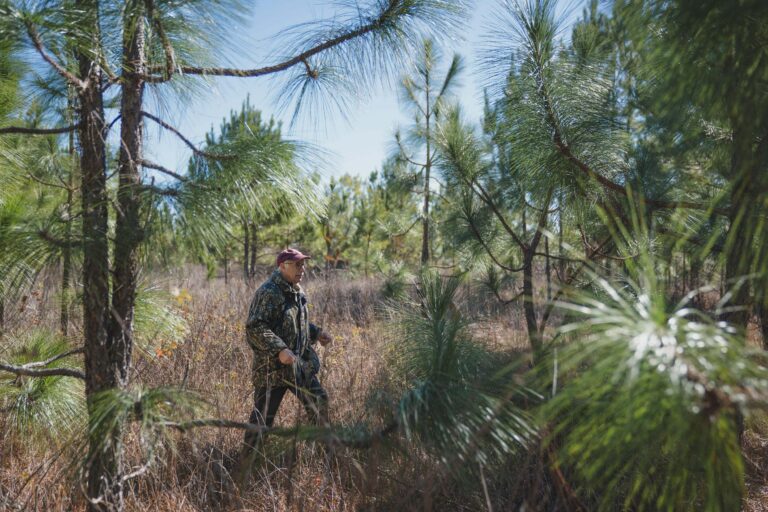
Private landowners who choose to restore longleaf pine are doing more than supporting a single species. They are rebuilding the habitat foundation that hundreds of species, and the communities connected to them, depend on.
Restoring longleaf, rebuilding communities
Longleaf pine restoration represents one of the clearest examples of how biodiversity, economic resilience, and land stewardship intersect.
Restoring these systems helps:
- Rebuild habitat for hundreds of species, including those critical to outdoor recreation economies
- Protect water quality and reduce downstream treatment costs
- Support working lands that sustain rural livelihoods
- Strengthen the resilience of landscapes facing climate and environmental pressures
In short, restoring biodiversity is not separate from supporting communities. It is central to it.
A Natural Climate Solution with multiple benefits
Longleaf pine restoration is also a powerful Natural Climate Solution. These ecosystems store carbon over time while delivering a wide range of co benefits, supporting wildlife, strengthening economies, and improving ecosystem health.
Investments in longleaf are not just about conservation. They are about building systems that work for people, for nature, and for the future.
Advancing this work through US Nature4Climate
Across the United States, US Nature4Climate is working with partners to scale the kinds of restoration efforts that make stories like the gopher tortoise possible.
By bringing together leading organizations, practitioners, and experts, the coalition is helping accelerate investment in Natural Climate Solutions, including longleaf pine restoration, that support biodiversity, strengthen rural economies, and improve ecosystem health.
From research and data tools to on-the-ground action, US Nature4Climate members are working to ensure that restoring ecosystems is not just an environmental goal, but a practical pathway to support communities across the country.
Learn more:
1️⃣ The Reforestation Hub
2️⃣ The Nature Conservancy Article: Longleaf Pine: A Tree for Our Time
3️⃣ American Forests Article: Reviving Longleaf Pine: A Critical Habitat for Southeast Wildlife
4️⃣ American Forest Foundation Article: Filling in the Critical Data Gaps to Support the Gopher Tortoise
5️⃣ Theodore Roosevelt Conservation Partnership Article: TRCP Applauds America’s Longleaf 2024 Report: A Win for Hunters, Anglers, and Wildlife