



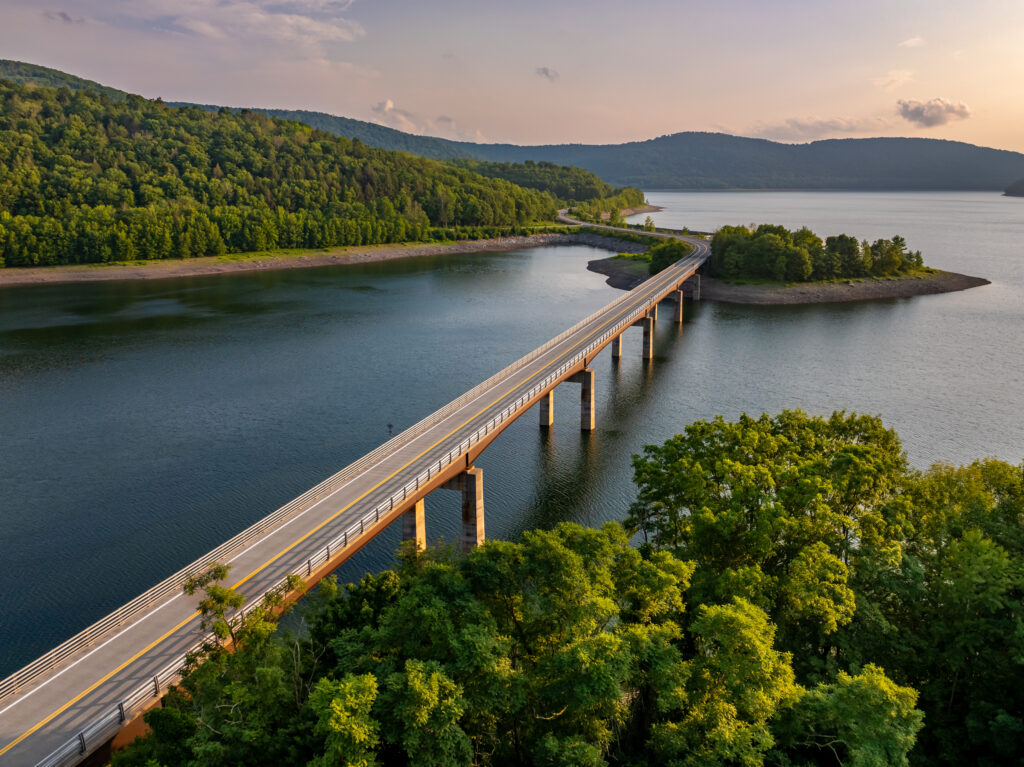
Reforestation in New York
Reforestation is one of the most cost-effective ways to protect public health, reduce long-term infrastructure costs, and meet New York’s climate goals while using land that is already available. New York’s forests already provide essential services to residents by filtering drinking water, reducing flood risk, supporting rural economies, and removing a significant share of the state’s climate pollution each year. The state’s largest opportunity to protect and expand these benefits lies on formerly forested pasture and other idle or marginal agricultural lands, where reforestation can occur voluntarily without competing with food production. Scaling reforestation now is time-sensitive as delay increases future costs for climate compliance, water treatment, and disaster recovery. Reforestation is not an abstract environmental goal, it is a practical, proven investment in New Yorkers’ economic security, clean water, and long-term resilience.
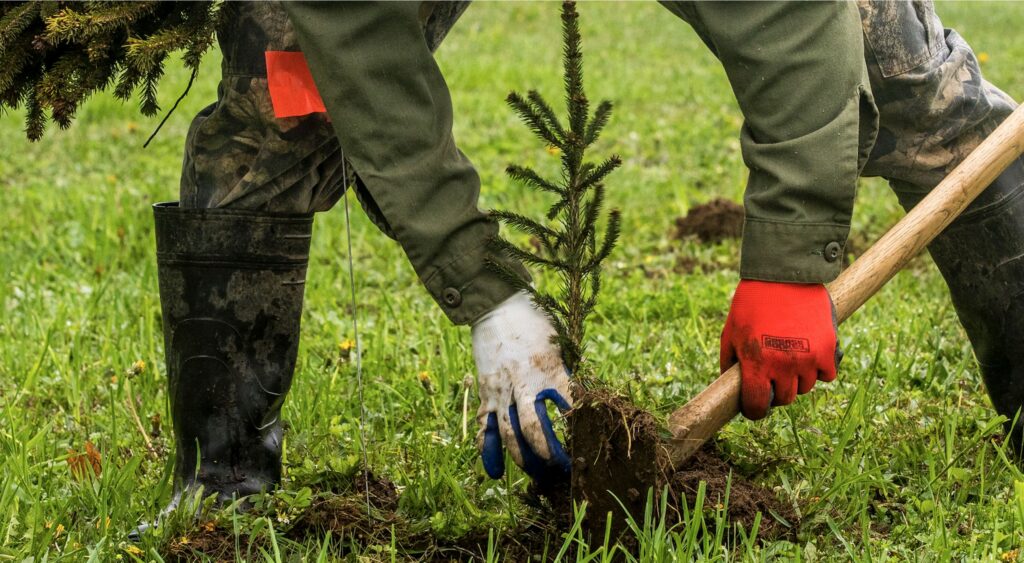
What difference does reforestation make for communities in New York?
Reforestation boosts local economies and creates jobs

New York’s forest products industry generates over $9.9 billion in direct annual output1, and about $22.9 billion in total economic impact once the jobs and businesses it supports across the state are included.2

Forest-based recreation, including hunting, hiking, wildlife tourism, and the equipment, travel, and related spending these activities generate, adds about $8.2 billion annually to the state economy.1

Federal labor data records nearly 47,000 jobs directly in forestry and forest products, while industry analysis estimates total employment approaching 97,000 once connected industries are included. Average labor income is around $61,500 per worker.1,3

The state’s recent investments in nursery capacity and forest markets are also generating jobs through tree nurseries, planting crews, seed collection, and the foresters who provide landowner assistance.15

Trees take decades to mature. The forests that will sustain this $22.9 billion economy decades from now are the ones reforested today, making present-day investment essential to the future timber supply and the rural jobs that depend on it.
Forests (and reforestation) help filter water and reduce pollution

Forested watersheds function as natural infrastructure, filtering pollutants, stabilizing soils, reducing erosion and sediment runoff, and regulating hydrology for public water systems across New York.16

Nearly 95% of New Yorkers receive drinking water from public water systems, many of which draw from surface waters whose quality depends on upstream watershed condition.4

About 90% of New York City’s drinking water comes from the Catskill/Delaware watershed, a largely forested region. Protected through a combination of forest and land conservation and pollution-control programs, the watershed stays clean enough that the system needs no filtration plant, supplying roughly 9 million people in New York City and parts of Westchester, Orange, Putnam, and Ulster counties.5

By protecting these forested source watersheds, New York City has avoided building a conventional filtration plant — estimated at $8–10 billion to construct, plus about $1 million a day to operate.6

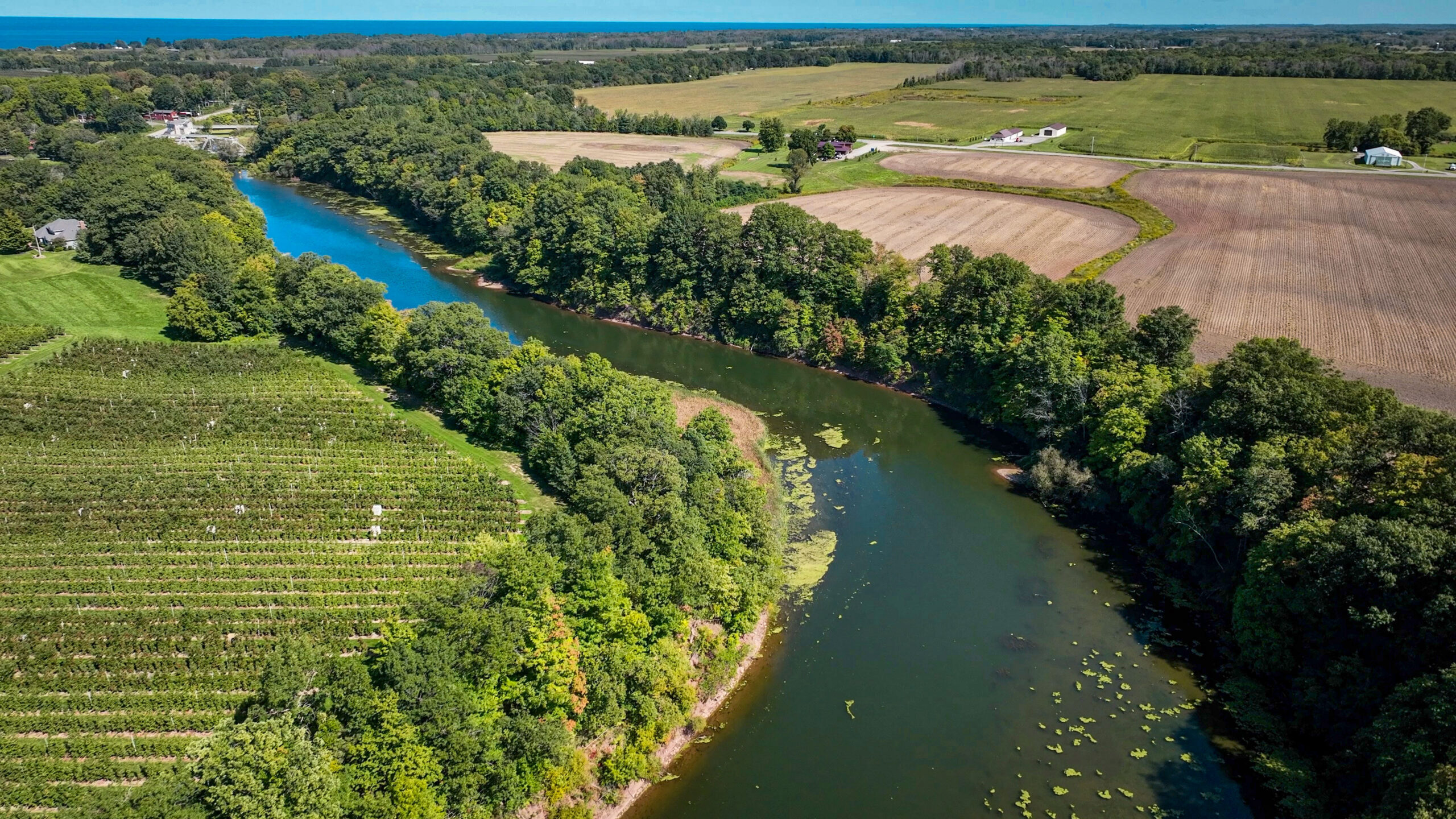
Where forest cover has been lost, especially along streams and on marginal farmland, reforestation restores this filtering capacity. Planting riparian forest buffers is among the most cost-effective water-quality practices available, and New York’s Source Water Buffer Program already funds farmers to establish forested buffers on land bordering drinking-water sources.18
Reforestation helps wildlife by reconnecting forests and restoring habitat

Research in New York shows that reforesting formerly cleared lands—especially in strategic locations—can link large forest blocks like the Adirondacks and Catskills, allowing wildlife to move more easily, maintain healthy populations, and adapt as the climate changes.7

Streamside reforestation pays a double dividend: shaded, cooler water sustains native cold-water species like brook trout, New York’s state fish, and the recreational fishery built around them, while filtering runoff for downstream drinking water.19, 20
Forests help naturally remove and store carbon

There are up to 5.5 million acres of opportunity in New York to restore forest cover for climate mitigation. Reforesting these areas could capture 10.8 million tonnes of CO2 per year, equivalent to removing 2.3 million cars from the road.8

Excluding active farmland, about 1.67 million acres of post-agricultural land could be reforested without affecting food production, closely matching the state’s goal of 1.7 million acres by 2040.7

A big bottleneck for scaling reforestation is landowner willingness. Once it’s accounted for, only about 352,000 acres are realistically available today, with another ~620,000 acres within reach if more landowners are engaged. Funding for landowner outreach, technical assistance, and incentive programs is one of the most decisive levers.21
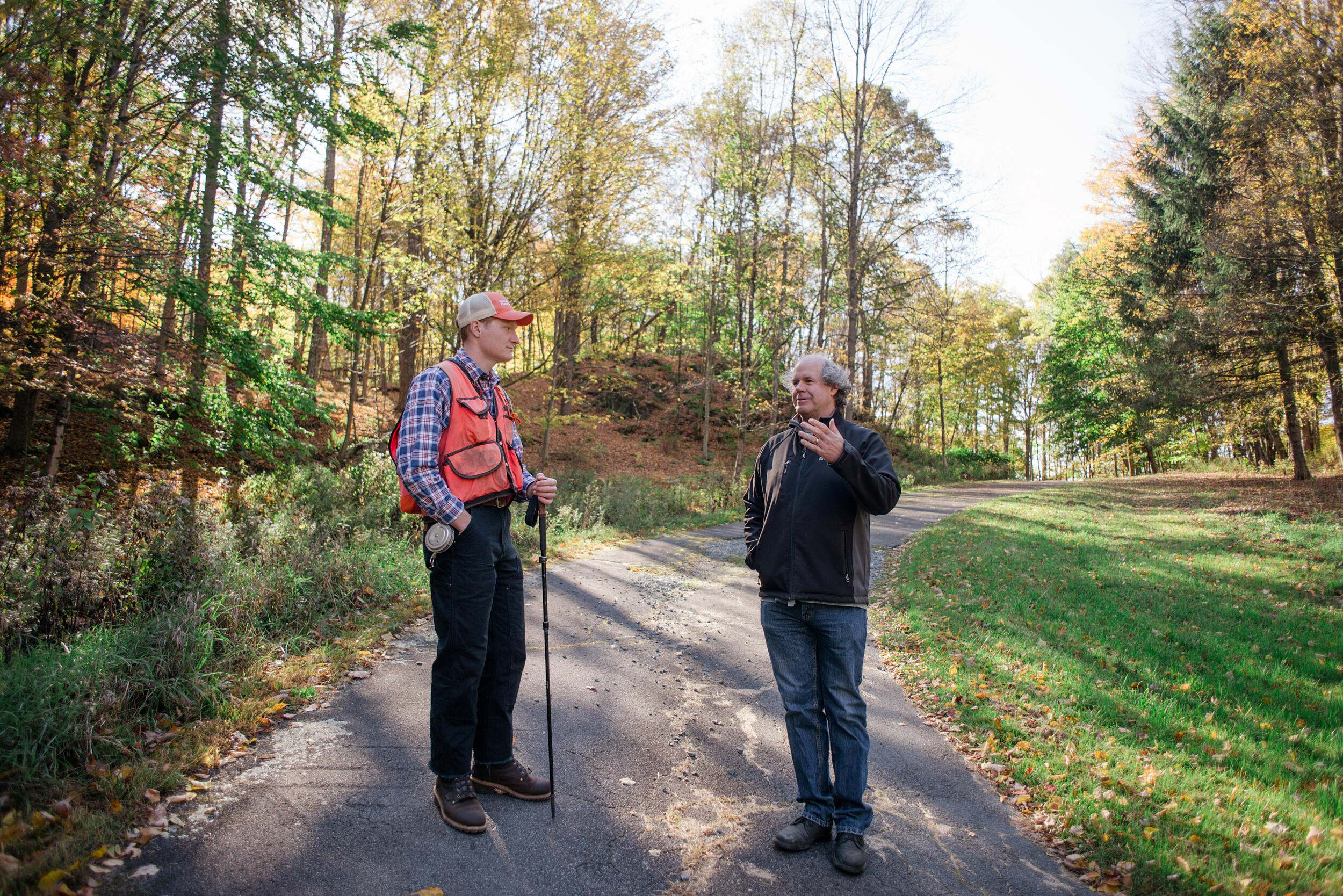


Americans overwhelmingly support practices that expand forest restoration
90% of voters nationwide (85% GOP, 92% IND, 95% DEM) support “providing technical assistance and education to farmers and forest owners so they can learn how to incorporate climate-smart practices on their land.”9
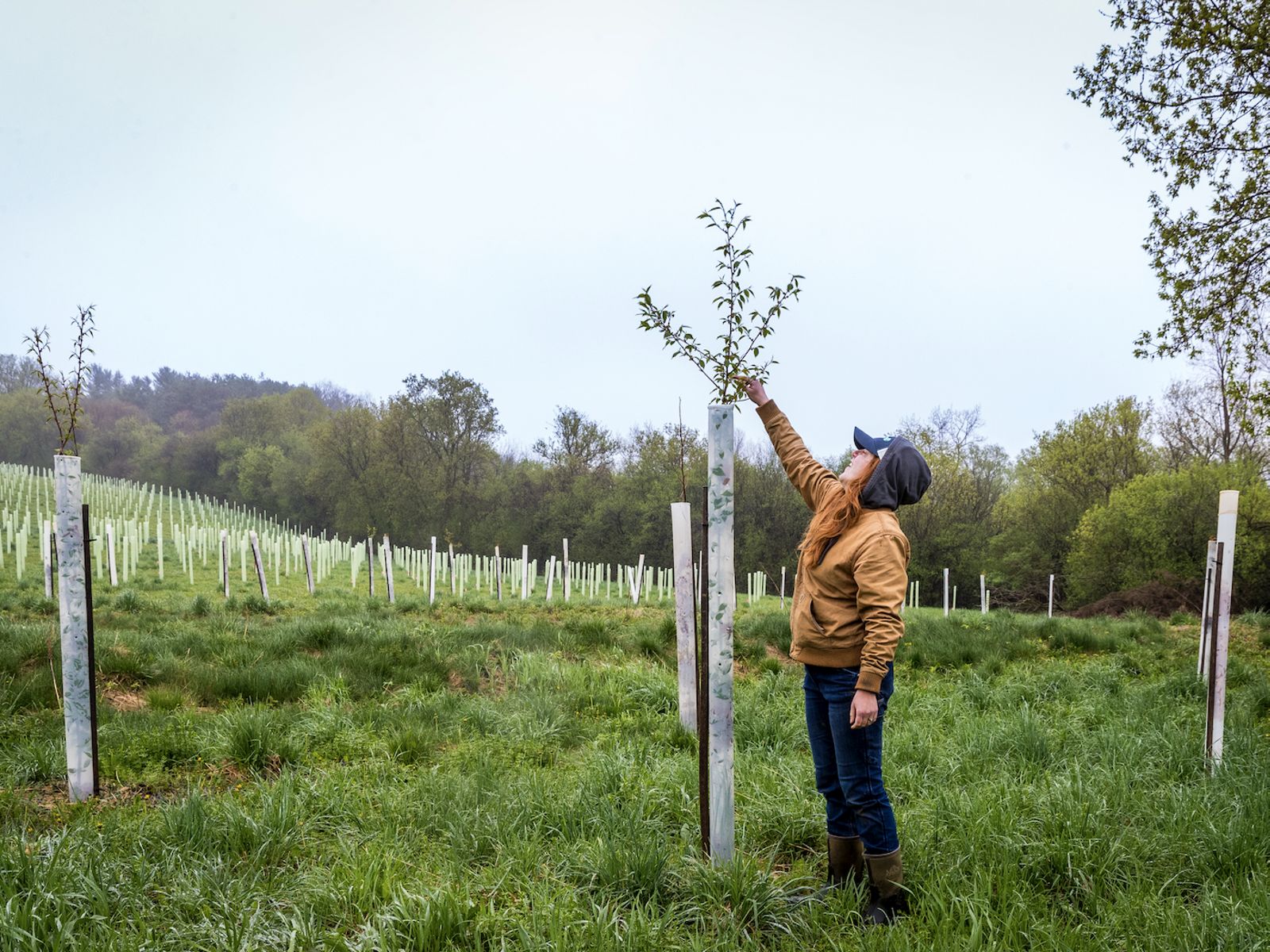
87% of voters nationwide (80% GOP, 88% IND, 93% DEM) support “providing financial incentives and programs for private forest and woodland landowners to sustainably manage their land to keep forests healthy and adopt practices that naturally remove carbon from the air.”9
Source: Survey of 1000 registered voters conducted in June 2024 by bipartisan research team New Bridge Strategy (R) and FM3 Research (D). Commissioned by U.S. Nature4Climate.
How Reforestation Can Be Supported and Expanded in New York

Expand Seedling Production Capacity
New York’s reforestation goals (680M trees by 2040) far exceed current seedling availability (NY is currently planting <1,000 acres/year), and limited nursery capacity, particularly for native woody species, is a major constraint on scaling tree planting. Increased funding for nursery expansion and infrastructure would directly address this bottleneck and enable higher planting rates statewide.10, 11

Strengthen Public–Private Nursery Partnerships
Encourage and fund private nurseries to scale up production of native seedlings. The Nature Conservancy recently launched a Nursery Incubation Program in NY, offering $50k–$300k grants and guaranteed seedling purchase contracts to grow nursery businesses.10 Expanding on this model with state support (e.g. low-interest loans or matching grants for nursery expansion) would further grow capacity. Two nurseries in the pilot program committed to deliver 100,000+ trees for New York projects by 2027–28 – with more participants, this number could multiply quickly.

Invest in Seed Collection and Genetic Diversity
Expanded funding is needed to build a statewide seed collection network—training collectors, establishing regional orchards, and partnering with landowners and nurseries. These investments will ensure a supply of genetically diverse, climate‑resilient native tree seeds tailored to New York’s ecosystems. While the Environmental Bond Act’s Forest & Ecosystem Health Lab provides a foundation, early and sustained funding is essential to scale up seed sourcing, improve storage, and produce climate‑adapted seedlings for future reforestation.12

Expand Landowner Participation Through Technical Assistance
Most reforestation opportunities in New York lie on private land8, yet many landowners lack access to professional forestry guidance. Expanding funding for foresters and partner organizations to provide free or low-cost technical assistance would lower participation barriers and accelerate planting on marginal and idle lands.

Strengthen the Reforestation Supply Chain
Reforestation at scale requires coordinated investment across the full supply chain, from seed collection and nurseries to planting and early maintenance. Targeted funding can improve logistics, coordination, and workforce capacity, reducing delays and increasing the effectiveness of tree-planting investments.

Increase Incentives for Private Land Reforestation
Approximately three-quarters of New York’s forestland is privately owned, making landowner participation essential to meeting reforestation targets.7 Expanding cost-share programs such as Regenerate NY13 would reduce upfront financial barriers and enable more landowners to undertake planting and restoration projects.

Address Deer Browse to Improve Seedling Survival
High deer densities are a major cause of regeneration failure in many New York forests and can significantly reduce survival of planted seedlings. Funding for deer management strategies, combined with site-level protections such as fencing or tree shelters, can substantially improve reforestation outcomes and protect public investments.13,14

Support Integrated Pest and Disease Management
Invasive insects and diseases threaten both newly planted and existing forests, undermining long-term reforestation success. Funding for monitoring, pest-resistant planting stock, and adaptive replanting strategies, supported by the state’s proposed Forest & Ecosystem Health Lab, can help maintain forest cover and carbon sequestration despite emerging threats.13
Click for References
1. Empire State Forest Products Association. (n.d.). Economic impact. https://www.esfpa.org/economic-impact
2. New York State Department of Environmental Conservation. (n.d.). Forests and Trees. https://dec.ny.gov/nature/forests-trees
3. USDA Forest Service New York Forest Resource Fact Sheet 2026 — https://apps.fs.usda.gov/nicportal/temppdf/sfs/naweb/NY_brief.pdf. Also found here: https://usnature4climate.org/wp-content/uploads/2026/06/NY_brief.pdf
4. New York State Department of Health. (n.d.). Drinking water: Facts & figures. https://www.health.ny.gov/environmental/water/drinking/facts_figures.htm
5. New York City Department of Environmental Protection. (2022). Newly updated filtration waiver confirms success of ongoing efforts to provide highest quality NYC water [Press release]. https://www.nyc.gov/site/dep/news/22-040/newly-updated-filtration-waiver-confirms-success-ongoing-efforts-provide-highest-quality-nyc
6. New York State Department of Environmental Conservation. (n.d.). New York City water supply. https://dec.ny.gov/nature/waterbodies/watersheds/management/new-york-city-water-supply
7. Richardson, J., et al. (2023). Reforestation potential in New York State. Cornell University & The Nature Conservancy. https://blogs.cornell.edu/workinglands/files/2023/10/Richardson2023_Reforestation-Potential-in-New-York-State.pdf
8. Reforestation Hub. (n.d.). New York. https://reforestationhub.org/map/state/new_york
9. U.S. Nature4Climate. (2024). Support for implementing natural climate solutions in the United States is strong and growing [Survey]. https://usnature4climate.org/support-for-implementing-natural-climate-solutions-in-the-united-states-is-strong-and-growing/
10. The Nature Conservancy. (2025). Nursery incubation program. https://www.nature.org/en-us/newsroom/nursery-incubation-program/
11. SLELO PRISM. (2025). Collaborative priority species list for reforestation in New York. https://www.sleloinvasives.org/wp-content/uploads/2025/04/Collaborative-Priority-Species-list-for-Reforestation-in-NY_.pdf
12. New York State Department of Environmental Conservation. (2024). DEC releases Environmental Bond Act draft eligibility guidelines to support planting 25 million trees by 2033 [Press release]. https://dec.ny.gov/news/press-releases/2024/2/dec-releases-environmental-bond-act-draft-eligibility-guidelines-to-support-planting-25-million-trees-by-2033
13. New York State Department of Environmental Conservation. (n.d.). Regenerate New York grant program. https://dec.ny.gov/nature/forests-trees/private-forest-management/regenerate-new-york-grant-program
14. New York State Assembly. (n.d.). Issues surrounding reforestation planting on land in New York State [Public hearing transcript]. https://nyassembly.gov/write/upload/publichearing/001407/005339.pdf
15. New York State Department of Environmental Conservation. (2026). On Arbor Day, DEC announces $46 million now available through new Advancing Forest Markets grant program [Press release]. https://dec.ny.gov/news/press-releases/2026/4/on-arbor-day-dec-announces-46-million-now-available-through-new-advancing-forest-markets-grant-program
16. Forests to Faucets — U.S. Department of Agriculture, Forest Service. (n.d.). From forests to faucets: Where does your drinking water come from? https://www.fs.usda.gov/about-agency/features/forests-faucets-where-does-your-drinking-water-come
17. Skaneateles / Syracuse — The Skaneateles Lake Watershed. (n.d.). Drinking water. https://www.skanlakeinfo.org/drinking-water
18. Source Water Buffer Program — New York State Department of Agriculture and Markets, Soil and Water Conservation Committee. (n.d.). Source Water Buffer Program. https://agriculture.ny.gov/soil-and-water/rfa-0181-source-water-buffer-program
19. New York State Department of Environmental Conservation. (n.d.). Riparian buffers. https://dec.ny.gov/environmental-protection/water/water-quality/nps-program/riparian-buffers
20. New York State Department of Environmental Conservation. (n.d.). Fishing for stream trout. https://www.dec.ny.gov/things-to-do/freshwater-fishing/learn-to-fish/tips-skills/stream-trout 21. Armstrong, A., Stedman, R. C., Richardson, D., Bills Walsh, K., & Zimmerman, C. (2026). Integrated estimates of forest expansion opportunity in New York State. Environmental Management, 76(4), 114. https://doi.org/10.1007/s00267-026-02409-0
21. Armstrong, A., Stedman, R. C., Richardson, D., Bills Walsh, K., & Zimmerman, C. (2026). Integrated estimates of forest expansion opportunity in New York State. Environmental Management, 76(4), 114. https://doi.org/10.1007/s00267-026-02409-0

Make the case for reforestation
Customize a PDF infographic to help you make the case for why reforestation is essential to empower and protect communities in New York from the effects of the changing climate.


Learn More
Contact experts on reforestation:
Below is a list of organizations that specialize in reforestation within our coalition. Send us an email and we’ll direct you to the correct person to communicate with.
Explore our “Science for Decision-Makers” page
The “Science for Decision-Makers” section highlights key research on nature-based solutions in the U.S., including strategies like reforestation and improving forest management, complemented by blog articles, case studies, videos, and infographics that summarizes the research and explain the impact it can have on real-world situations.
What is the science?
See the climate mitigation potential of forest strategies in our Science page.
What else can be done?