Nature-based Solutions in Michigan

Natural Climate Solutions, also called Nature-Based Solutions, are actions that reduce emissions and increase carbon storage in forests, farms, grasslands and wetlands, while providing a host of additional benefits for people and the environment.

Practices that could be included are actions like encouraging farming techniques that retain carbon in the soil, such as planting cover crops; conserving and replanting forests; conserving and restoring coastal wetlands; and reducing the loss of natural areas, planting trees, and providing parks in communities.

Not only do these efforts help address climate change – they can improve water quality, prevent natural disasters like wildfire, drought, and flooding, protect wildlife habitat, and provide opportunities for hiking and fishing. Best of all, these solutions are cost effective, and can often improve local economies.

Below you can explore how people in Michigan are benefiting from implementing nature-based solutions in their community through a diverse set of resources from USN4C members and others, including blog articles, videos, comprehensive reports, and more. 
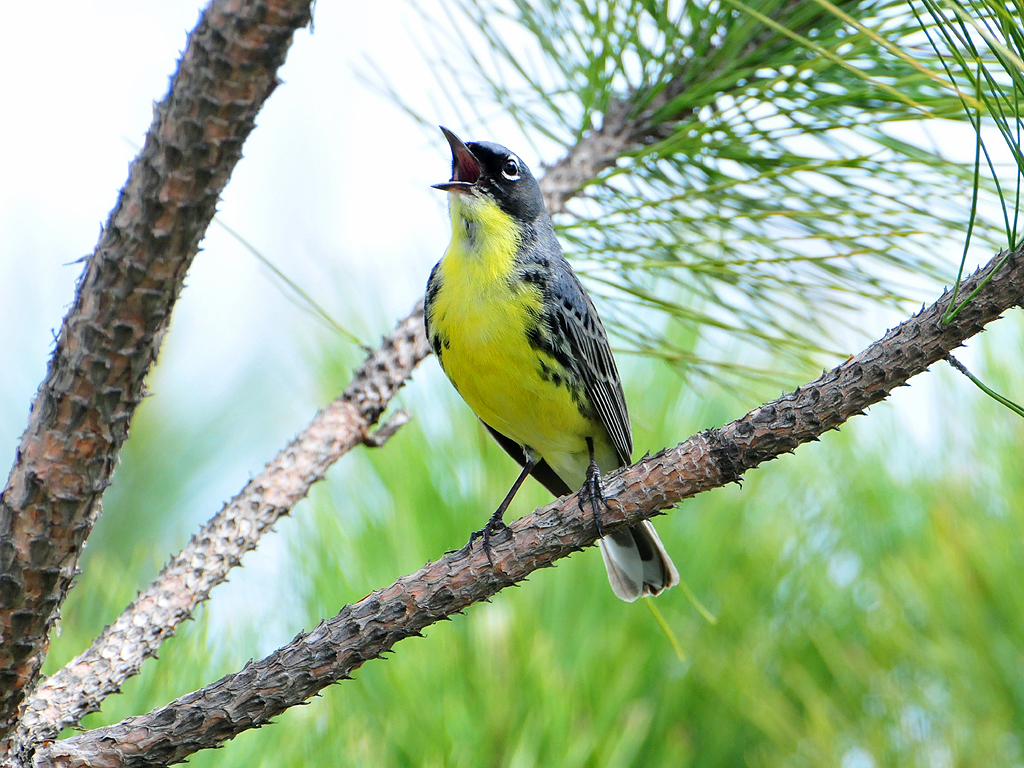
© U.S. Fish and Wildlife Service Midwest region

American Forests Article: Comeback of Rare Kirtland’s Warbler Depends on Unique Reforestation Strategy
© California Conservation Corps.

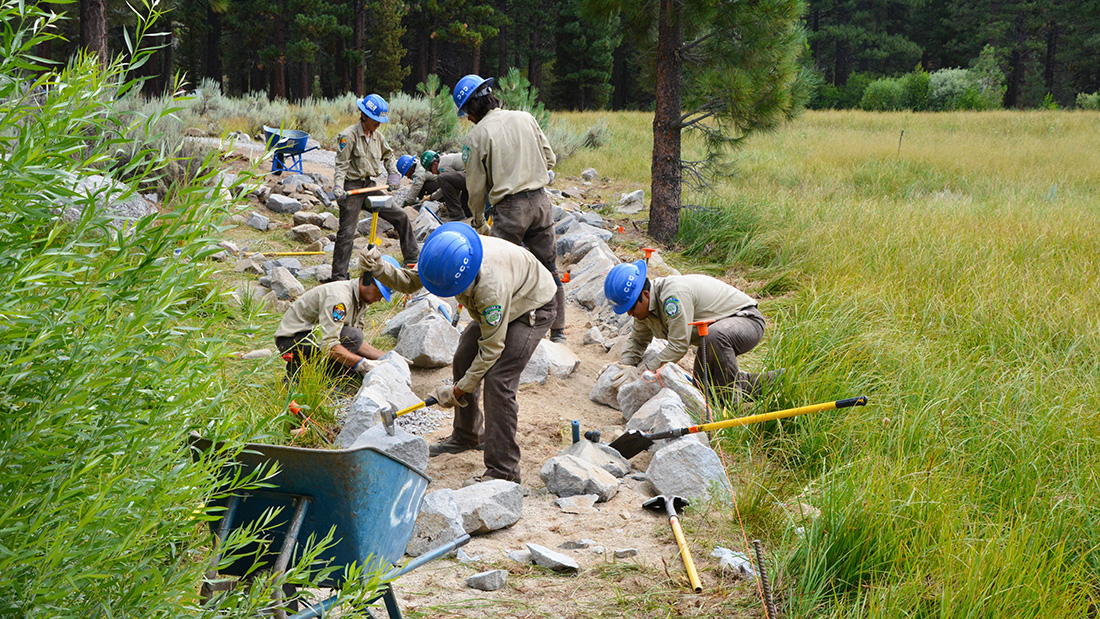
U.S. Nature4Climate/American Forests Article: Growing Trees, Growing Jobs

The Nature Conservancy Report: 2024 Michigan Annual Report

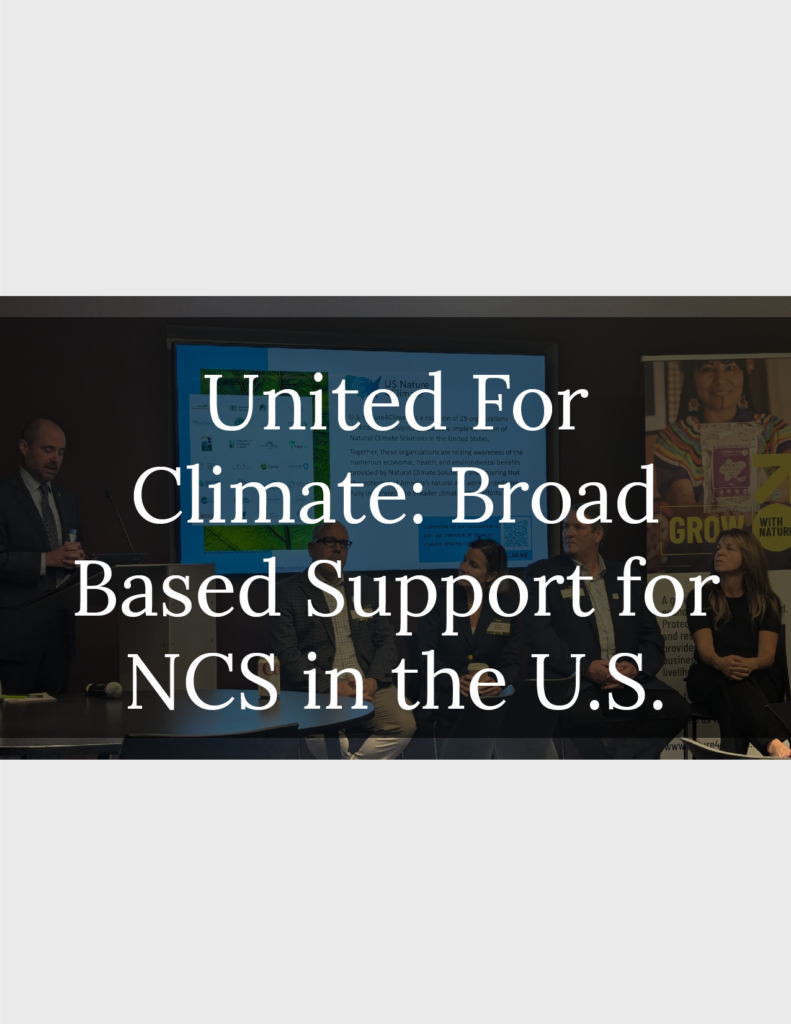
A new national survey conducted by U.S. Nature4Climate shows that voters across party lines support natural climate solutions more than ever, suggesting fertile ground for bi-partisan cooperation and consensus-building, opening up new avenues for climate action. Learn more.
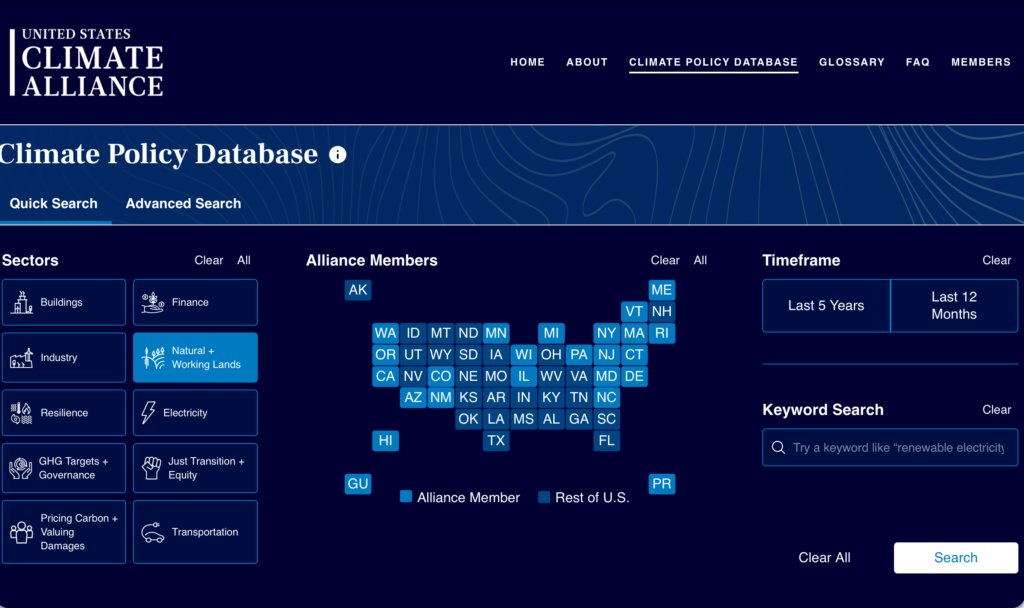
Explore U.S. Climate Alliance‘s Climate Policy Database.
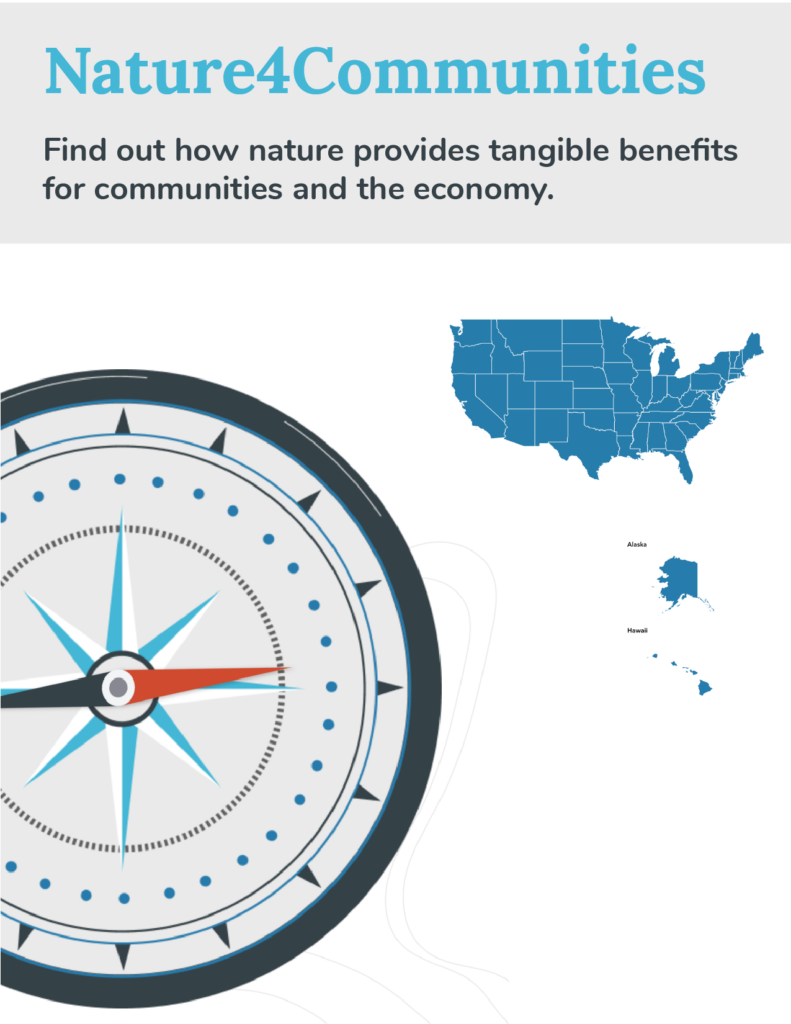
Explore Nature4Communities, a resource that shows you how nature-based solutions are critical for your community’s well-being and become a better advocate for their implementation.

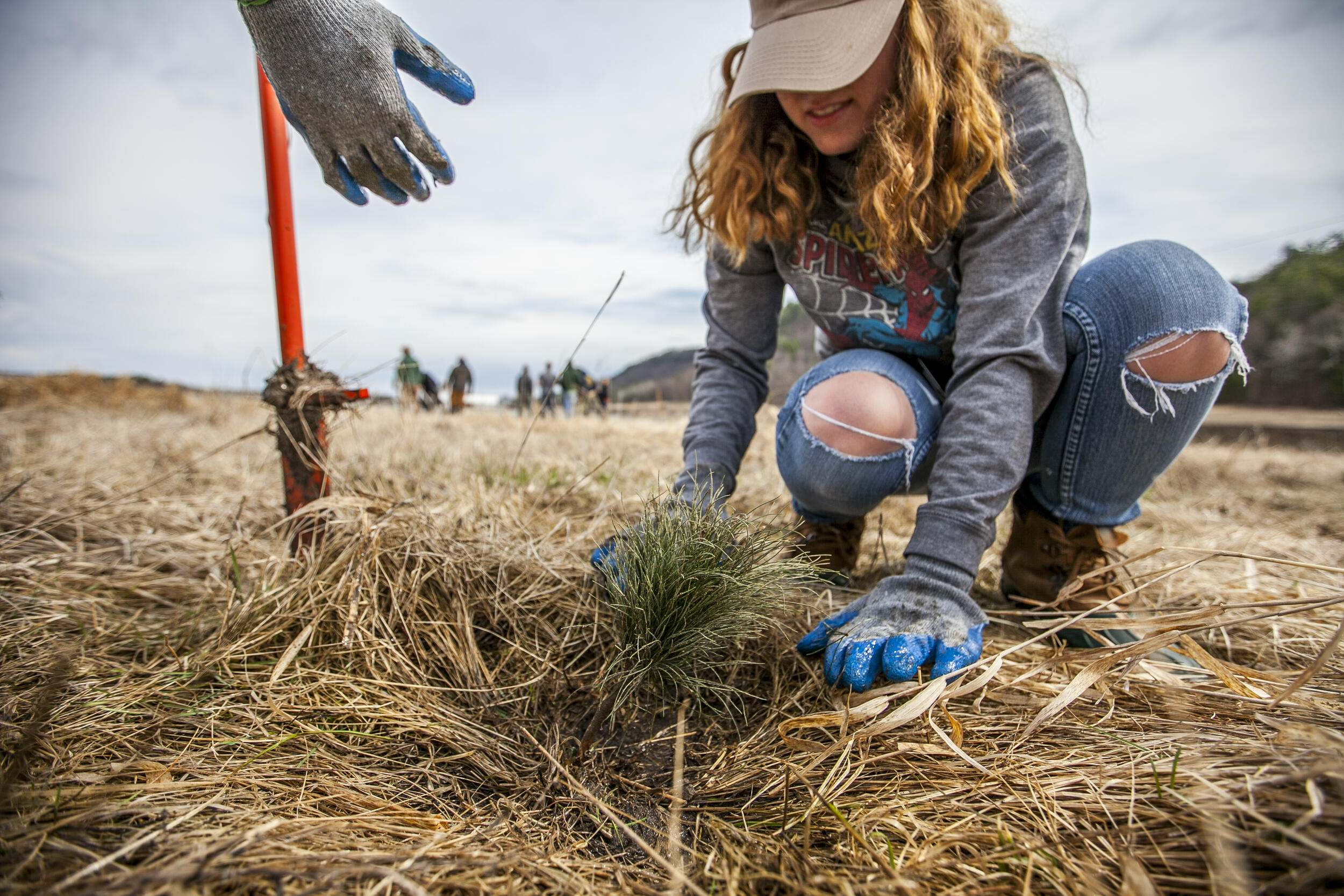
Nature-based Solutions in Massachusetts

Natural Climate Solutions, also called Nature-Based Solutions, are actions that reduce emissions and increase carbon storage in forests, farms, grasslands and wetlands, while providing a host of additional benefits for people and the environment.

Practices that could be included are actions like encouraging farming techniques that retain carbon in the soil, such as planting cover crops; conserving and replanting forests; conserving and restoring coastal wetlands; and reducing the loss of natural areas, planting trees, and providing parks in communities.

Not only do these efforts help address climate change – they can improve water quality, prevent natural disasters like wildfire, drought, and flooding, protect wildlife habitat, and provide opportunities for hiking and fishing. Best of all, these solutions are cost effective, and can often improve local economies.

Below you can explore how people in Massachusetts are benefiting from implementing nature-based solutions in their community through a diverse set of resources from USN4C members and others, including blog articles, videos, comprehensive reports, and more. 

The Nature Conservancy Report: 2024 Year In Review Massachusetts

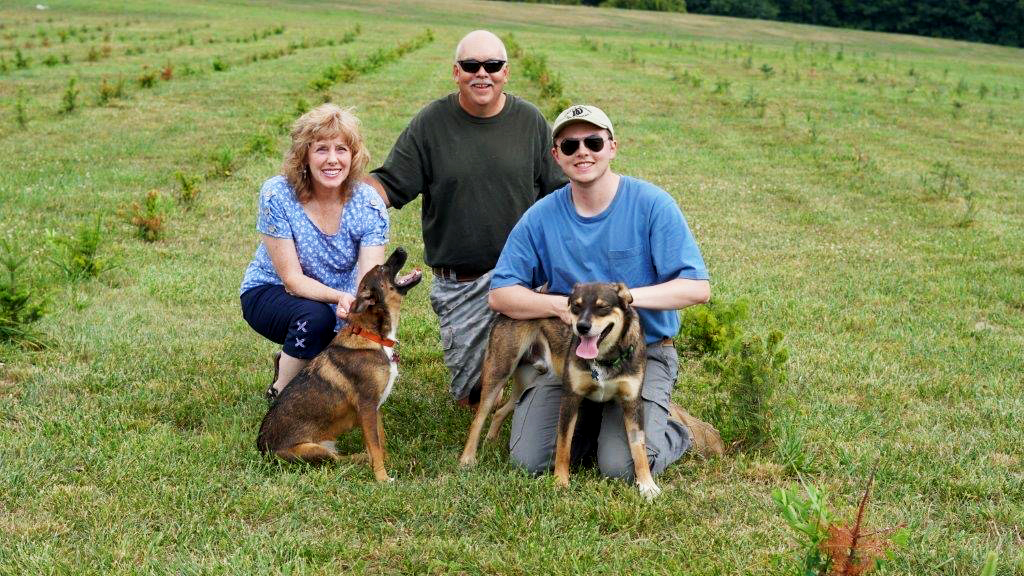
Savanna Institute Perennial AF Podcast: Nutwood Farm, Regenerative Agroforestry in Cummington, MA

A new national survey conducted by U.S. Nature4Climate shows that voters across party lines support natural climate solutions more than ever, suggesting fertile ground for bi-partisan cooperation and consensus-building, opening up new avenues for climate action. Learn more.

Explore U.S. Climate Alliance‘s Climate Policy Database.

Explore Nature4Communities, a resource that shows you how nature-based solutions are critical for your community’s well-being and become a better advocate for their implementation.

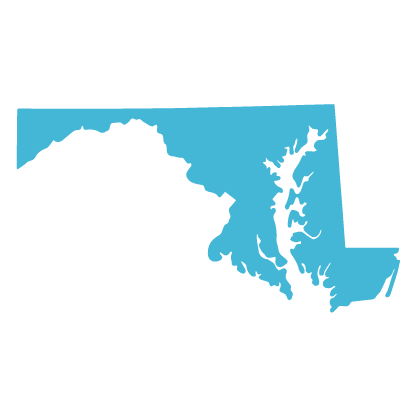
Nature-based Solutions in Maryland

Natural Climate Solutions, also called Nature-Based Solutions, are actions that reduce emissions and increase carbon storage in forests, farms, grasslands and wetlands, while providing a host of additional benefits for people and the environment. 

Practices that could be included are actions like encouraging farming techniques that retain carbon in the soil, such as planting cover crops; conserving and replanting forests; conserving and restoring coastal wetlands; and reducing the loss of natural areas, planting trees, and providing parks in communities. 

Not only do these efforts help address climate change – they can improve water quality, prevent natural disasters like wildfire, drought, and flooding, protect wildlife habitat, and provide opportunities for hiking and fishing. Best of all, these solutions are cost effective, and can often improve local economies.

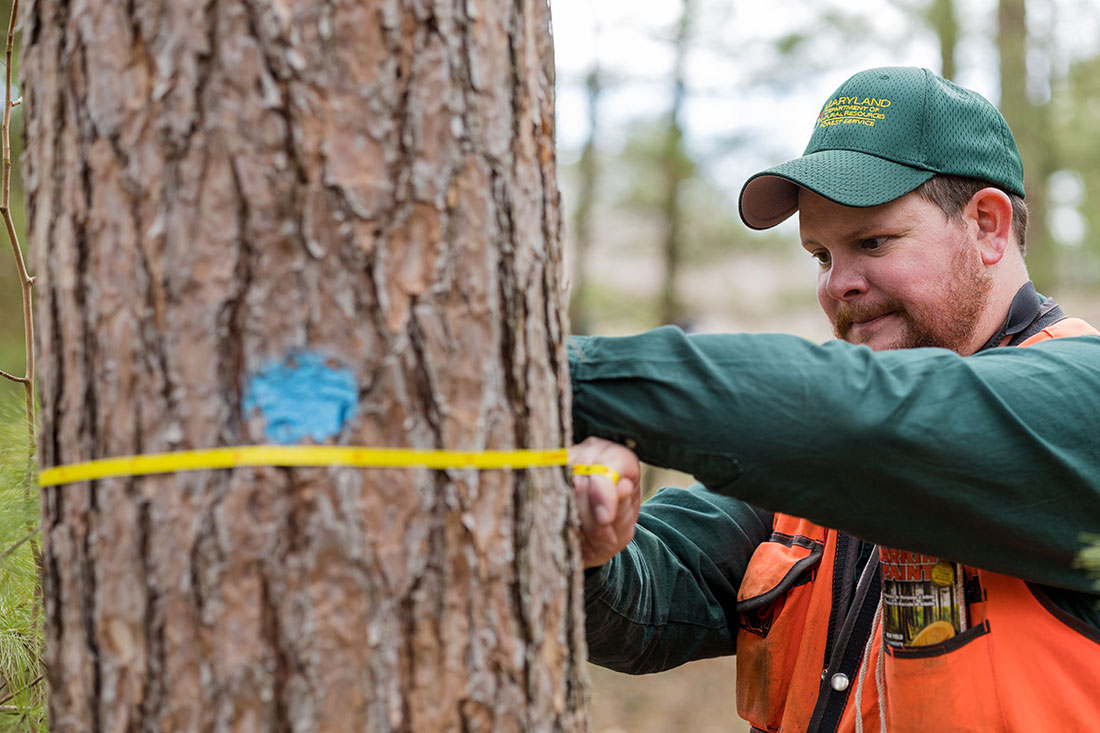
Below you can explore how people in Maryland are benefiting from implementing nature-based solutions in their community through a diverse set of resources from USN4C members and others, including blog articles, videos, comprehensive reports, and more. 

The Nature Conservancy Video: Chesapeake Bay Farmers on the Forefront

A new national survey conducted by U.S. Nature4Climate shows that voters across party lines support natural climate solutions more than ever, suggesting fertile ground for bi-partisan cooperation and consensus-building, opening up new avenues for climate action. Learn more.

Explore U.S. Climate Alliance‘s Climate Policy Database.

Explore Nature4Communities, a resource that shows you how nature-based solutions are critical for your community’s well-being and become a better advocate for their implementation.

Nature-based Solutions in Maine

Natural Climate Solutions, also called Nature-Based Solutions, are actions that reduce emissions and increase carbon storage in forests, farms, grasslands and wetlands, while providing a host of additional benefits for people and the environment. 

Practices that could be included are actions like encouraging farming techniques that retain carbon in the soil, such as planting cover crops; conserving and replanting forests; conserving and restoring coastal wetlands; and reducing the loss of natural areas, planting trees, and providing parks in communities. 

Not only do these efforts help address climate change – they can improve water quality, prevent natural disasters like wildfire, drought, and flooding, protect wildlife habitat, and provide opportunities for hiking and fishing. Best of all, these solutions are cost effective, and can often improve local economies.

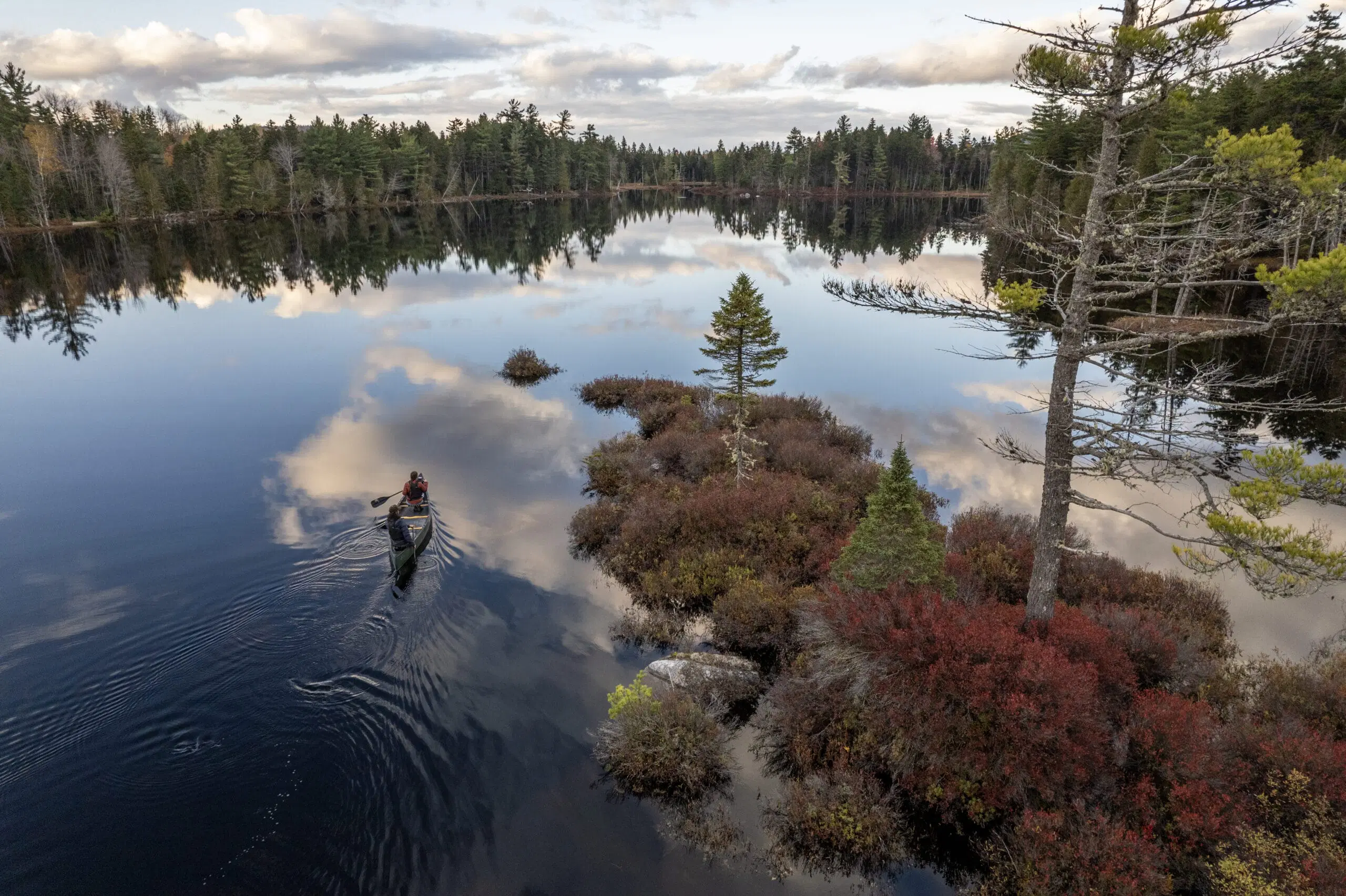
Below you can explore how people in Maine are benefiting from implementing nature-based solutions in their community through a diverse set of resources from USN4C members and others, including blog articles, videos, comprehensive reports, and more. 

Trust for Public Land Article: In Partnership Toward Collaboration

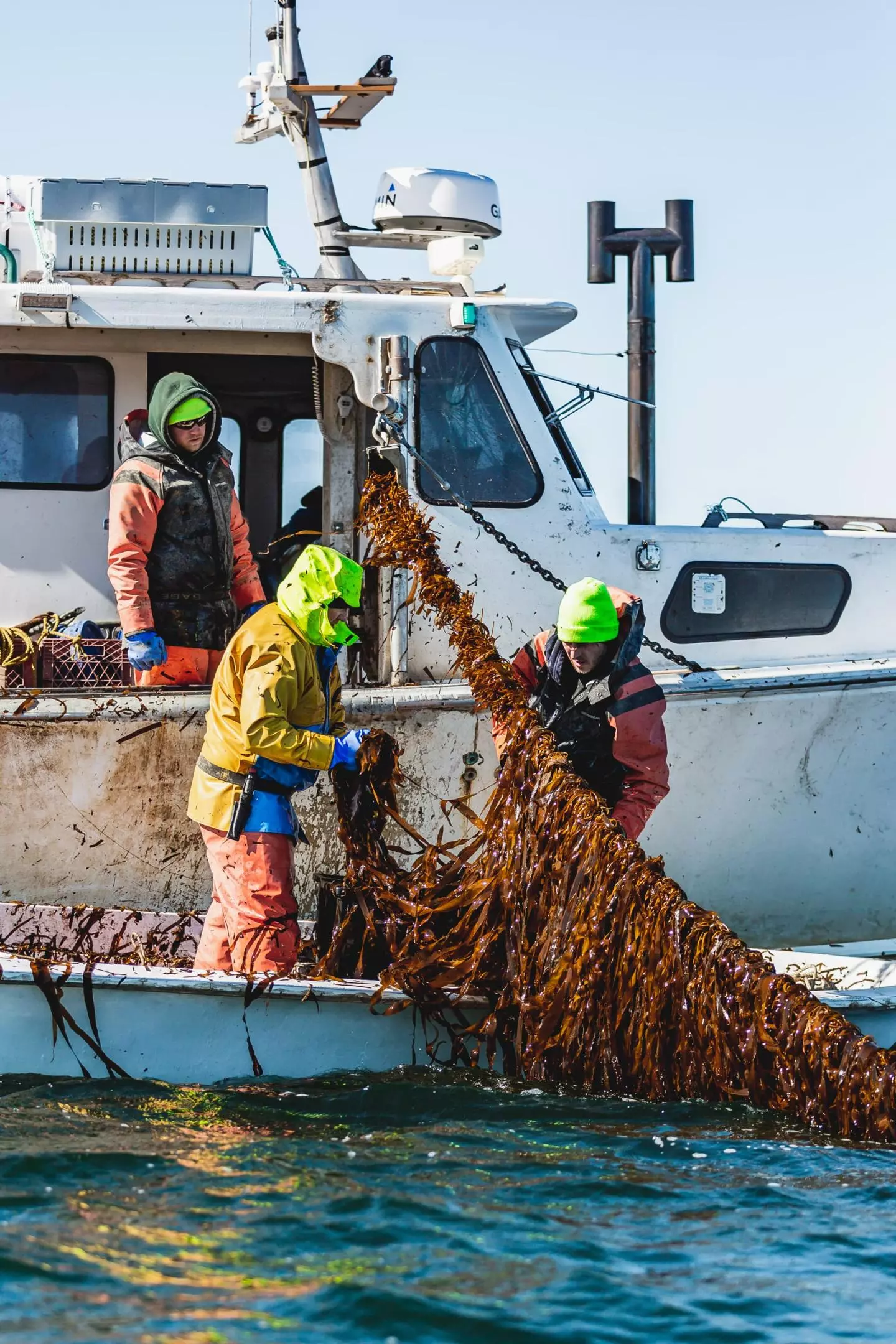
Environmental Defense Fund Vital Signs Article: Searching for a Seaweed to Combat Cow Burps

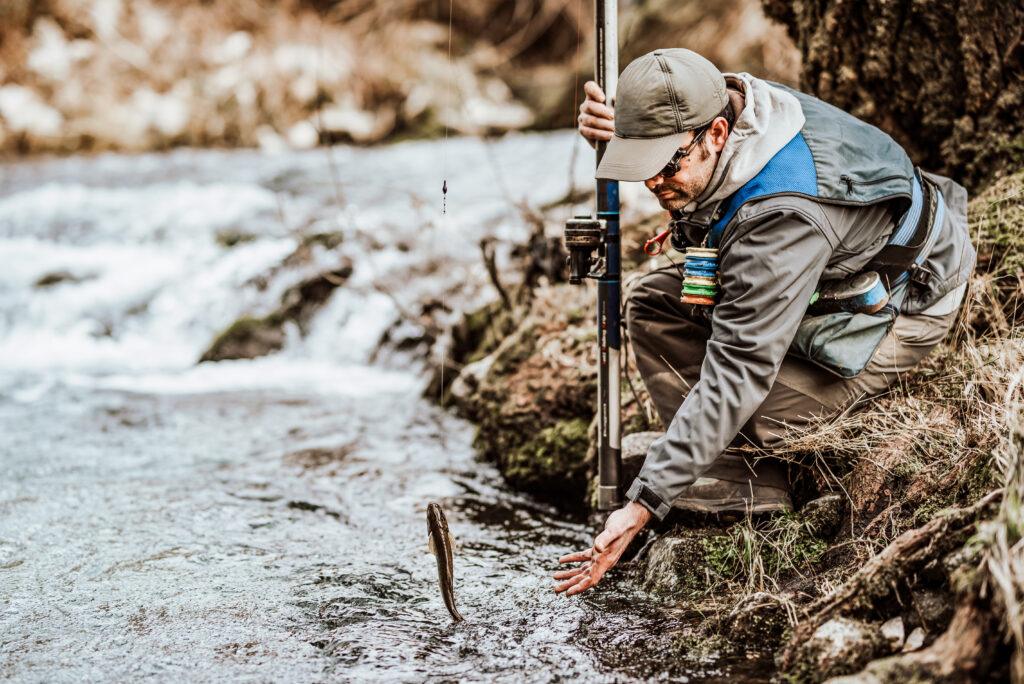
U.S. Nature4Climate/Restore America’s Estuaries Article: USFWS Coastal Program benefits fish and fishing in Freeport, Maine

The Nature Conservancy Video: Trees in Peril

A new national survey conducted by U.S. Nature4Climate shows that voters across party lines support natural climate solutions more than ever, suggesting fertile ground for bi-partisan cooperation and consensus-building, opening up new avenues for climate action. Learn more.

Explore U.S. Climate Alliance‘s Climate Policy Database.

Explore Nature4Communities, a resource that shows you how nature-based solutions are critical for your community’s well-being and become a better advocate for their implementation.
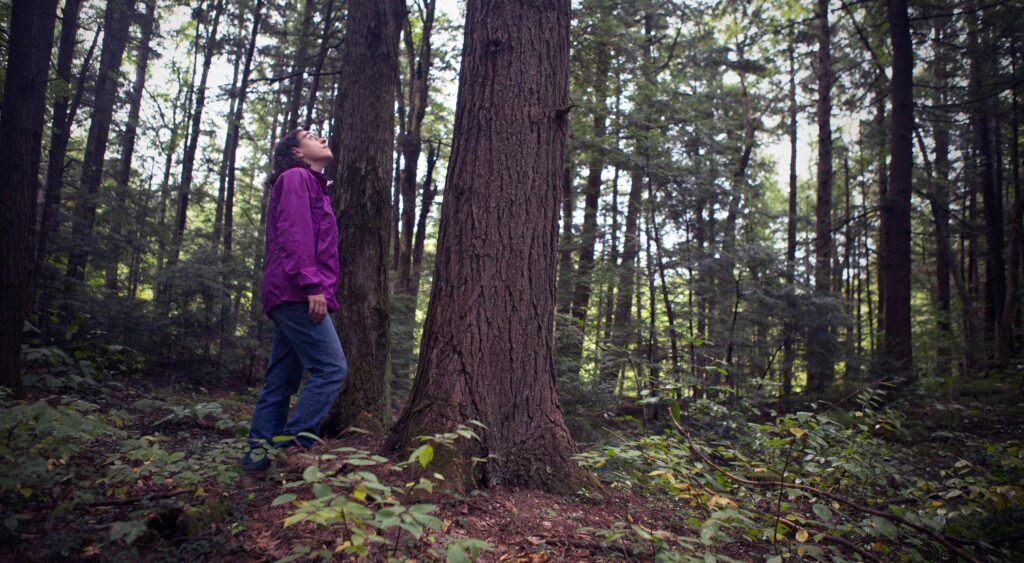
Nature-based Solutions in Louisiana

Natural Climate Solutions, also called Nature-Based Solutions, are actions that reduce emissions and increase carbon storage in forests, farms, grasslands and wetlands, while providing a host of additional benefits for people and the environment. 

Practices that could be included are actions like encouraging farming techniques that retain carbon in the soil, such as planting cover crops; conserving and replanting forests; conserving and restoring coastal wetlands; and reducing the loss of natural areas, planting trees, and providing parks in communities. 

Not only do these efforts help address climate change – they can improve water quality, prevent natural disasters like wildfire, drought, and flooding, protect wildlife habitat, and provide opportunities for hiking and fishing. Best of all, these solutions are cost effective, and can often improve local economies.

Below you can explore how people in Louisiana are benefiting from implementing nature-based solutions in their community through a diverse set of resources from USN4C members and others, including blog articles, videos, comprehensive reports, and more. 

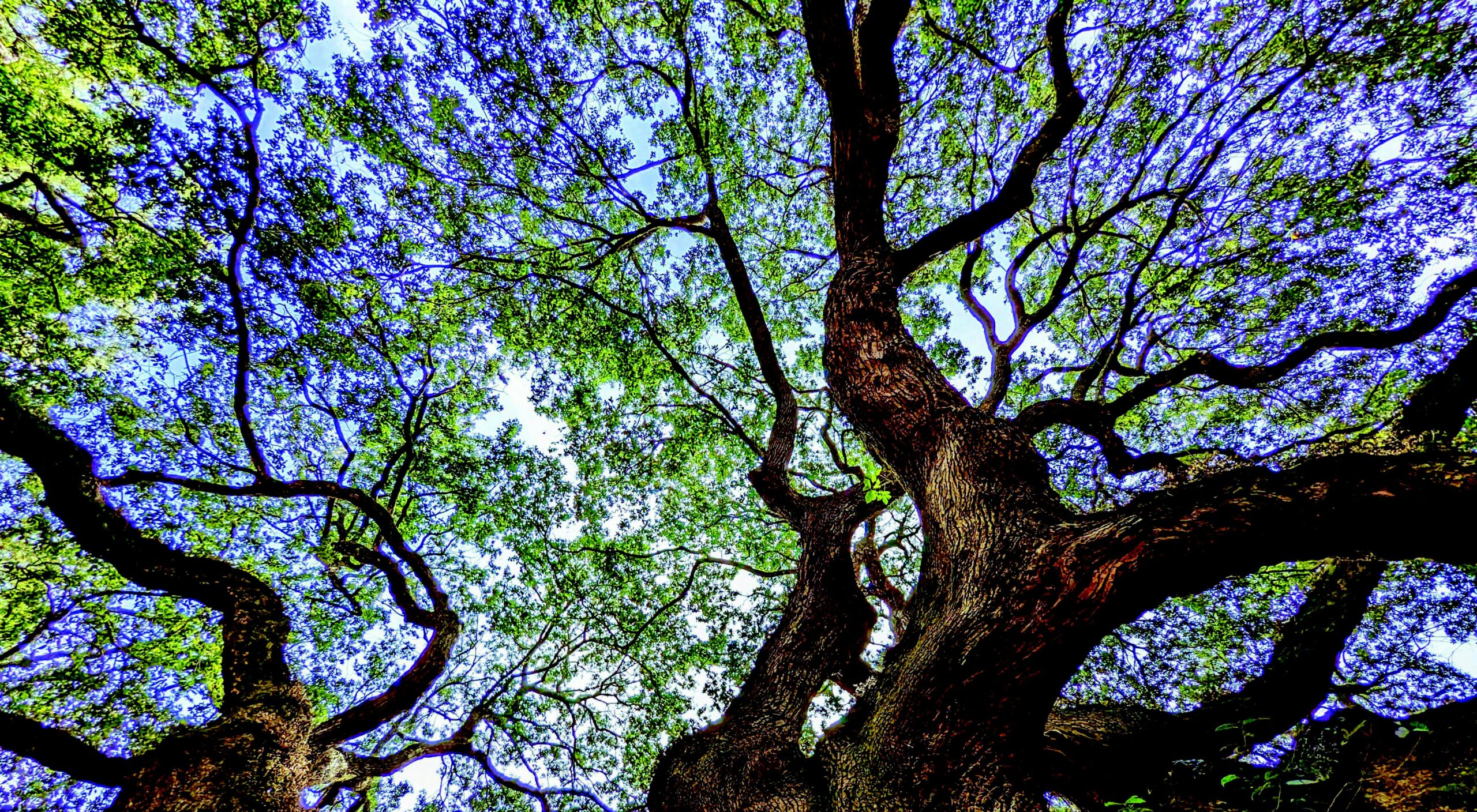
© Tracie Joyner/TNC Photo Contest 2023

The Nature Conservancy Article: Treesilience: Restoring South Louisiana’s Community Forests

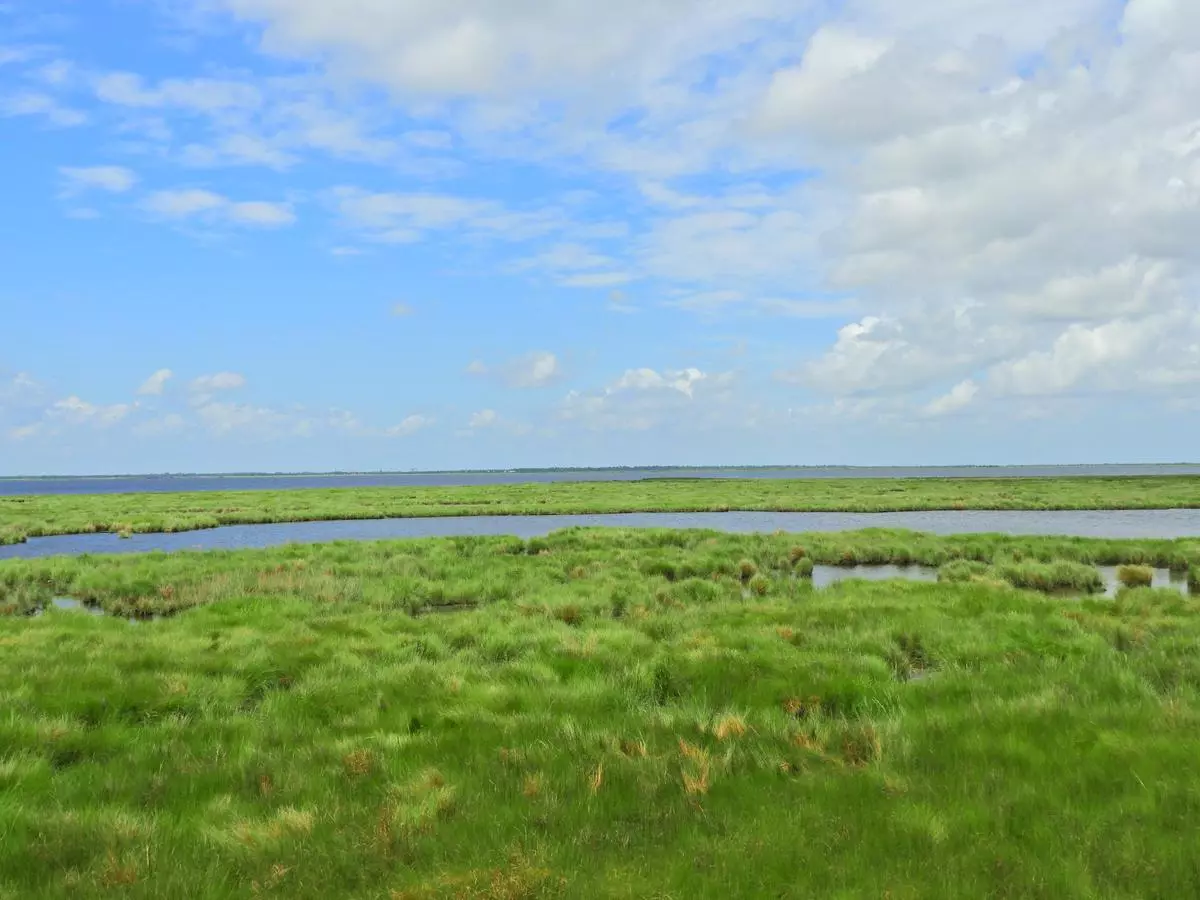
Environmental Defense Fund Vital Signs Article: Wetlands are Worth It

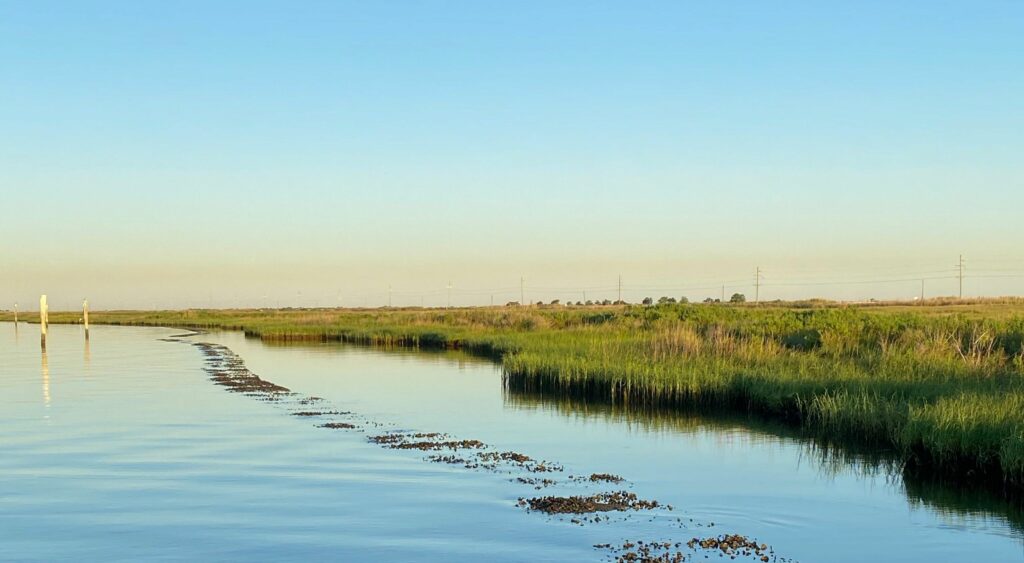
© JCW Creative/TNC

The Nature Conservancy Article: Louisiana’s Oyster Reefs: Protecting and Restoring Our Gulf Coast and Waters

The Nature Conservancy Report: Louisiana Impact Report 2023

A new national survey conducted by U.S. Nature4Climate shows that voters across party lines support natural climate solutions more than ever, suggesting fertile ground for bi-partisan cooperation and consensus-building, opening up new avenues for climate action. Learn more.

Explore U.S. Climate Alliance‘s Climate Policy Database.

Explore Nature4Communities, a resource that shows you how nature-based solutions are critical for your community’s well-being and become a better advocate for their implementation.

Idaho Test

Intro Blurb

lorem ipsum lorem ipsumlorem ipsumlorem ipsumlorem ipsumlorem ipsumlorem ipsumlorem ipsumlorem ipsumlorem ipsumlorem ipsumlorem ipsumlorem ipsumlorem ipsumlorem ipsumlorem ipsumlorem ipsumlorem ipsumlorem ipsumlorem ipsumlorem ipsumlorem ipsumlorem ipsumlorem ipsumlorem ipsumlorem ipsum.

Blog Articles

Text

Text

Text

Media/Press Releases

Text

Text

Text