Nature-based Solutions in North Carolina

Natural Climate Solutions, also called Nature-Based Solutions, are actions that reduce emissions and increase carbon storage in forests, farms, grasslands and wetlands, while providing a host of additional benefits for people and the environment. 

Practices that could be included are actions like encouraging farming techniques that retain carbon in the soil, such as planting cover crops; conserving and replanting forests; conserving and restoring coastal wetlands; and reducing the loss of natural areas, planting trees, and providing parks in communities. 

Not only do these efforts help address climate change – they can improve water quality, prevent natural disasters like wildfire, drought, and flooding, protect wildlife habitat, and provide opportunities for hiking and fishing. Best of all, these solutions are cost effective, and can often improve local economies.

Below you can explore how people in North Carolina are benefiting from implementing nature-based solutions in their community through a diverse set of resources from USN4C members and others, including blog articles, videos, comprehensive reports, and more. 

Caroline Brehman/Getty Images for Pew

Pew Charitable Trusts Article: How the Pentagon and Partners are Working Together to Combat Climate Change

Photo by John Bliven

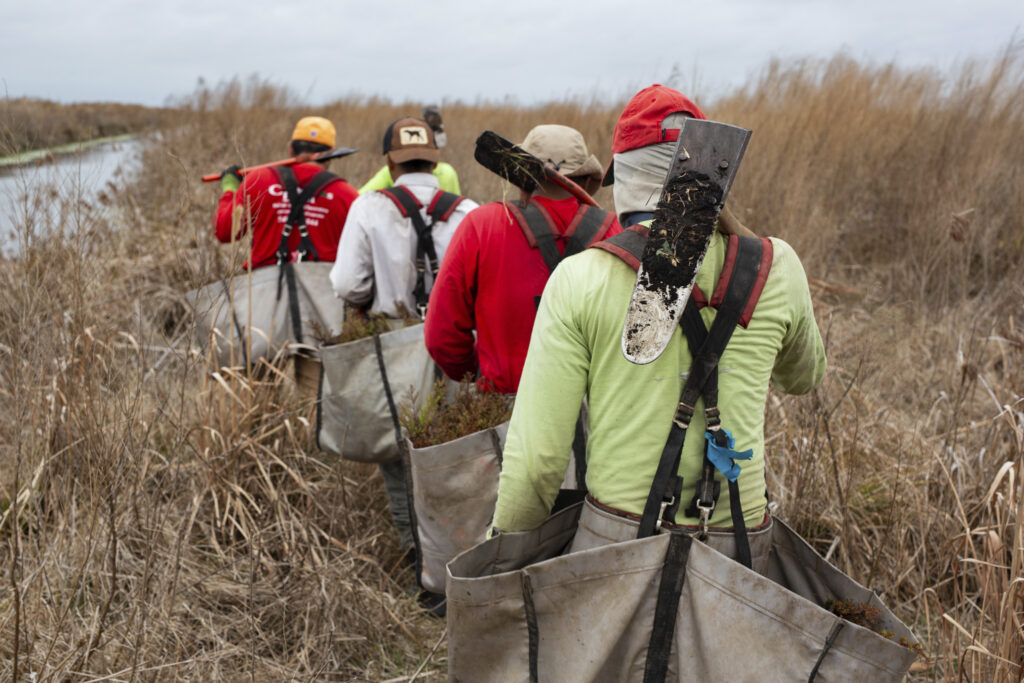
U.S. Nature4Climate/The Nature Conservancy Article: Saving North Carolina’s Peatlands

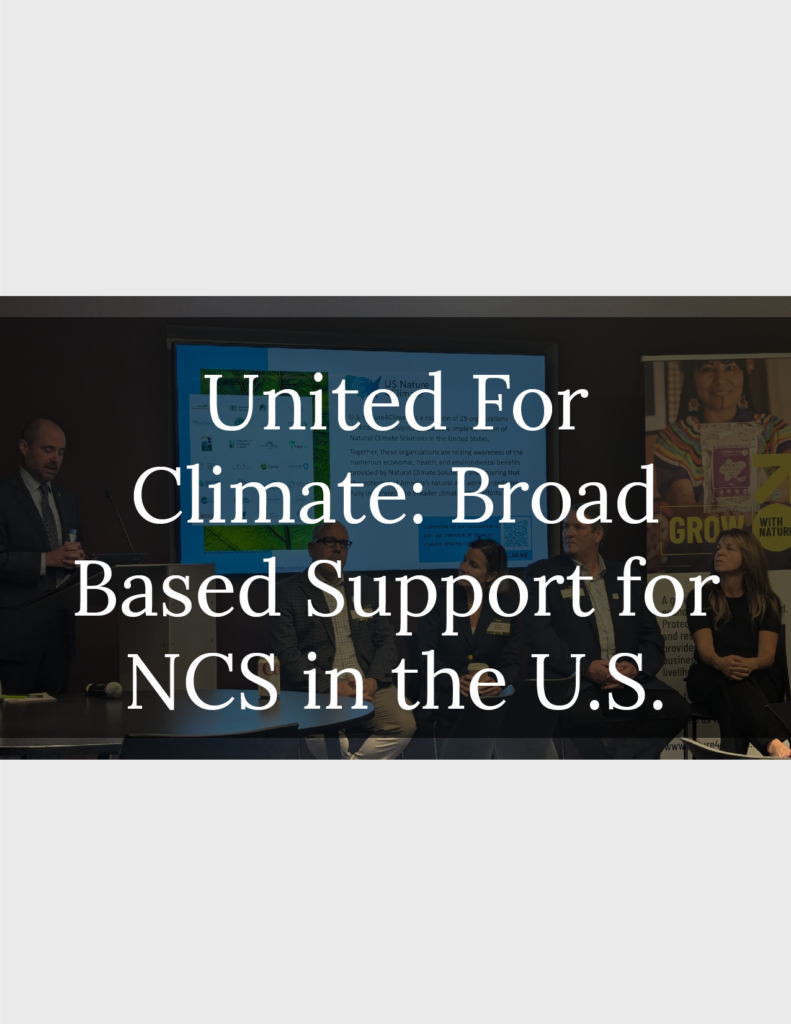
A new national survey conducted by U.S. Nature4Climate shows that voters across party lines support natural climate solutions more than ever, suggesting fertile ground for bi-partisan cooperation and consensus-building, opening up new avenues for climate action. Learn more.

Explore U.S. Climate Alliance‘s Climate Policy Database.

Explore Nature4Communities, a resource that shows you how nature-based solutions are critical for your community’s well-being and become a better advocate for their implementation.

Nature-based Solutions in North Dakota

Natural Climate Solutions, also called Nature-Based Solutions, are actions that reduce emissions and increase carbon storage in forests, farms, grasslands and wetlands, while providing a host of additional benefits for people and the environment. 

Practices that could be included are actions like encouraging farming techniques that retain carbon in the soil, such as planting cover crops; conserving and replanting forests; conserving and restoring coastal wetlands; and reducing the loss of natural areas, planting trees, and providing parks in communities. 

Not only do these efforts help address climate change – they can improve water quality, prevent natural disasters like wildfire, drought, and flooding, protect wildlife habitat, and provide opportunities for hiking and fishing. Best of all, these solutions are cost effective, and can often improve local economies.

Below you can explore how people in North Dakota are benefiting from implementing nature-based solutions in their community through a diverse set of resources from USN4C members and others, including blog articles, videos, comprehensive reports, and more.

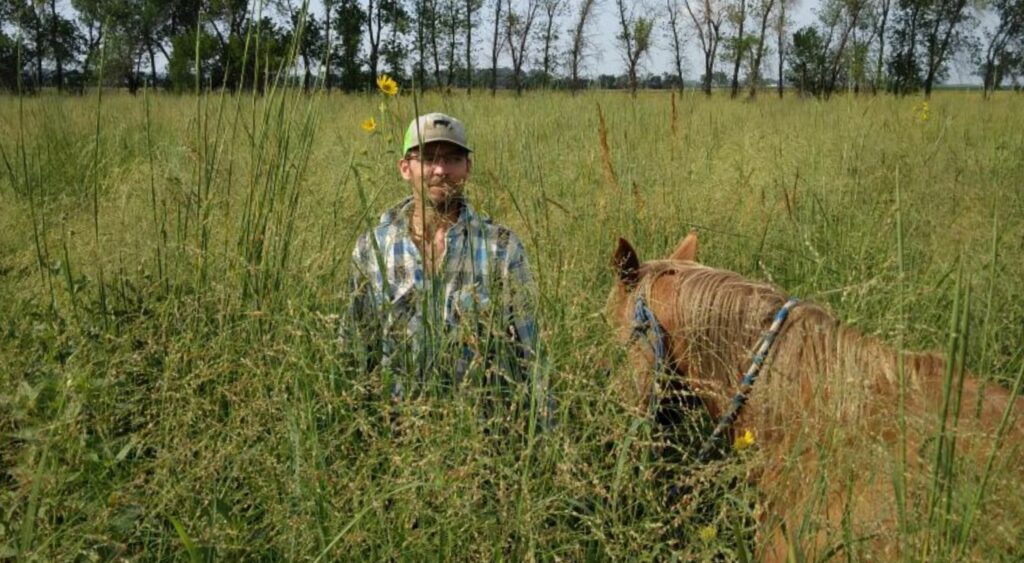
© Nicole Kluck for TNC

The Nature Conservancy Article: How Fire Stimulated the Growth of Horse-High Grass

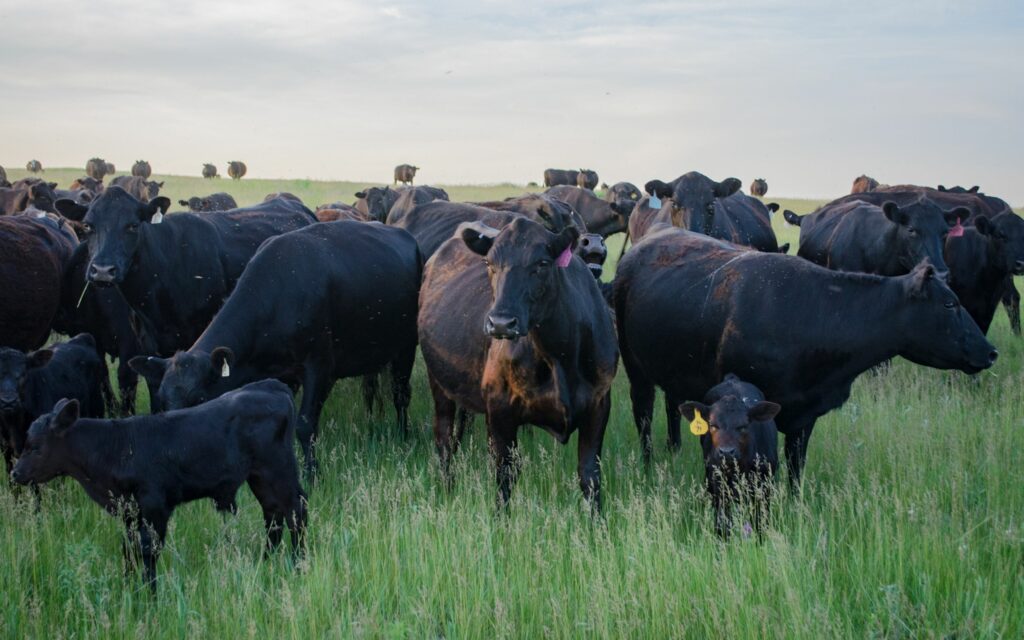
© Black Leg Ranch for TNC

The Nature Conservancy Article: Ranching for a Better Life

A new national survey conducted by U.S. Nature4Climate shows that voters across party lines support natural climate solutions more than ever, suggesting fertile ground for bi-partisan cooperation and consensus-building, opening up new avenues for climate action. Learn more.
Explore U.S. Climate Alliance‘s Climate Policy Database.
Explore Nature4Communities, a resource that shows you how nature-based solutions are critical for your community’s well-being and become a better advocate for their implementation.

Nature-based Solutions in Ohio

Natural Climate Solutions, also called Nature-Based Solutions, are actions that reduce emissions and increase carbon storage in forests, farms, grasslands and wetlands, while providing a host of additional benefits for people and the environment. 

Practices that could be included are actions like encouraging farming techniques that retain carbon in the soil, such as planting cover crops; conserving and replanting forests; conserving and restoring coastal wetlands; and reducing the loss of natural areas, planting trees, and providing parks in communities. 

Not only do these efforts help address climate change – they can improve water quality, prevent natural disasters like wildfire, drought, and flooding, protect wildlife habitat, and provide opportunities for hiking and fishing. Best of all, these solutions are cost effective, and can often improve local economies.

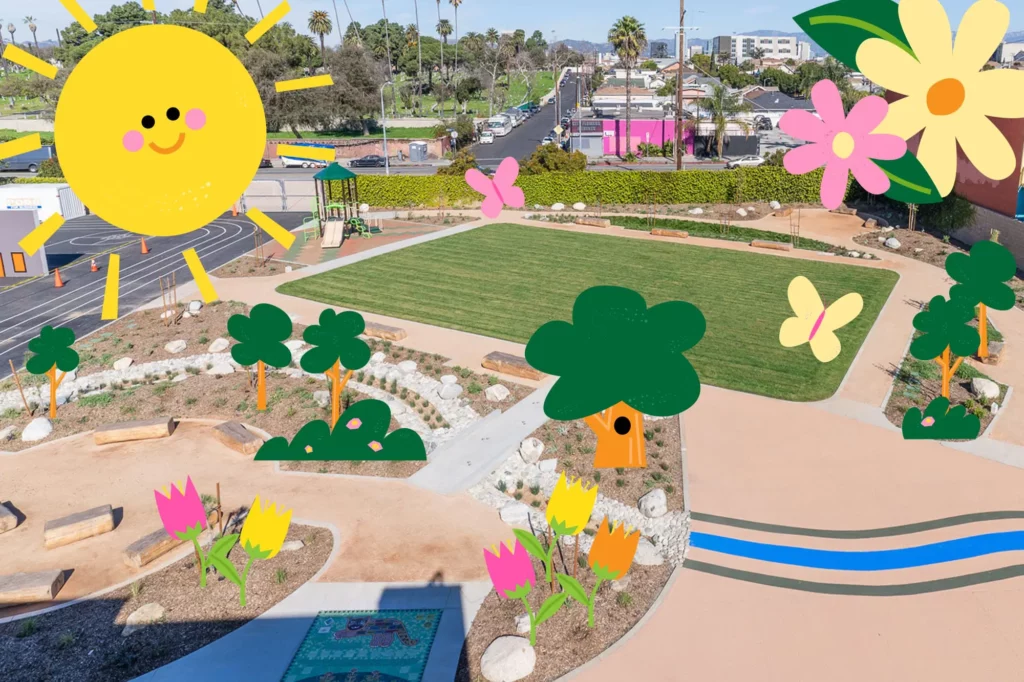
Below you can explore how people in Ohio are benefiting from implementing nature-based solutions in their community through a diverse set of resources from USN4C members and others, including blog articles, videos, comprehensive reports, and more.

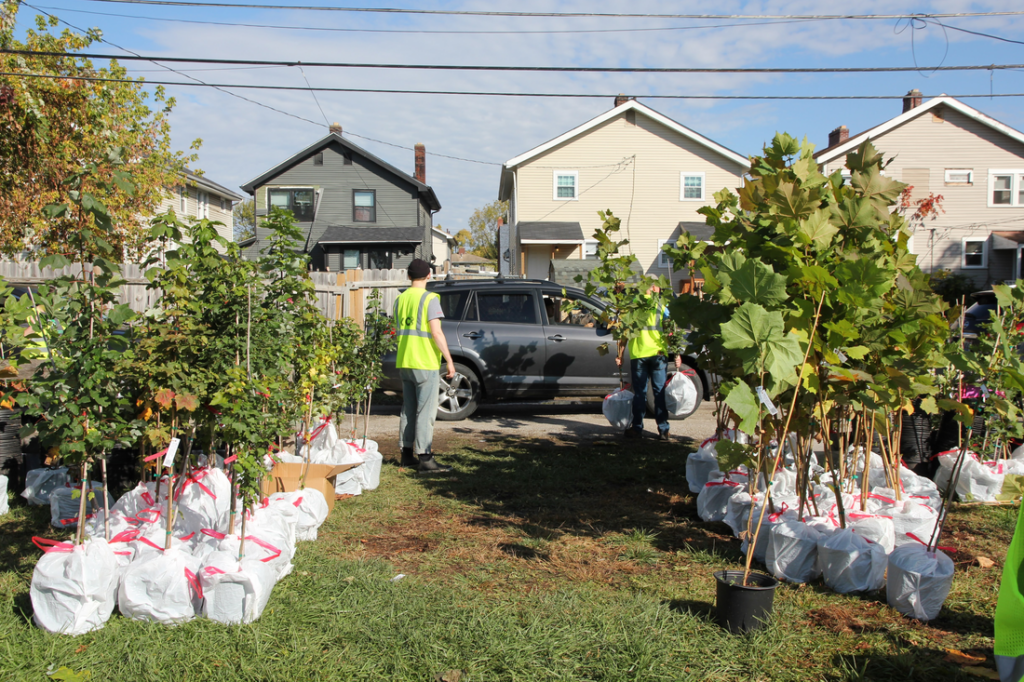
Photo Credit: Green Columbus for American Forests

American Forests Magazine Article: Tool Helps Neighborhood Nursery Paint Picture of the Need for Tree Equity

© David Ike for TNC

The Nature Conservancy Article: Local Landowners Play Important Role in the Future of Ohio’s Forests

© David Ike for TNC

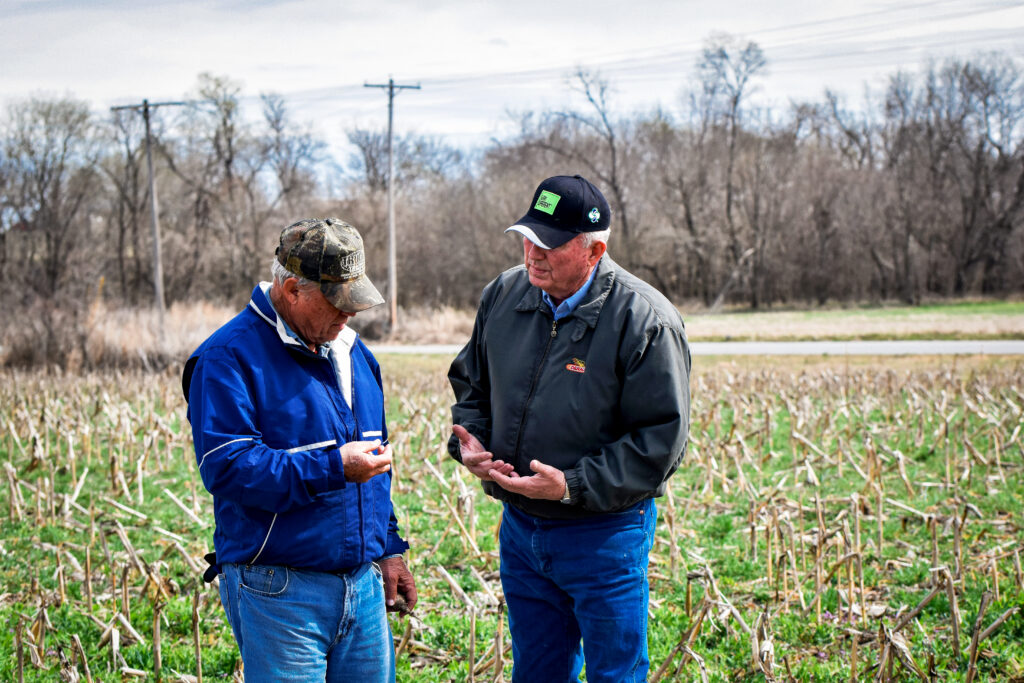
The Nature Conservancy Article: Brian Nusbaum: Practicing 4Rs Nutrient Stewardship

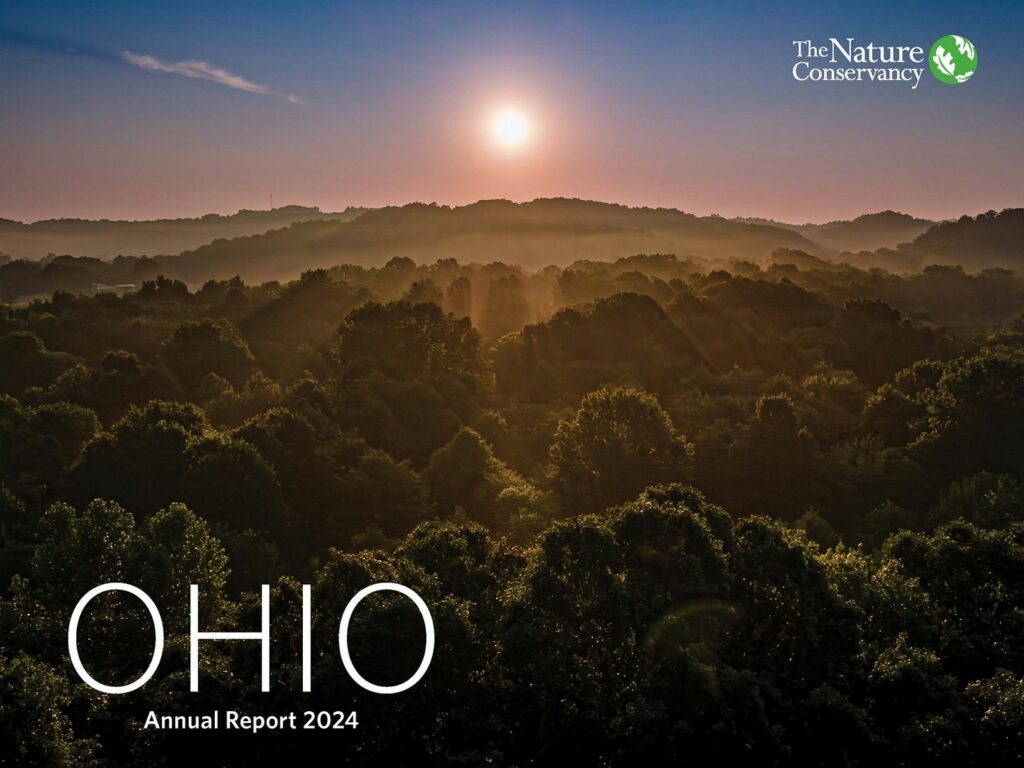
The Nature Conservancy Ohio Report: Annual Report 2024

The Nature Conservancy Video: Trees in Peril

A new national survey conducted by U.S. Nature4Climate shows that voters across party lines support natural climate solutions more than ever, suggesting fertile ground for bi-partisan cooperation and consensus-building, opening up new avenues for climate action. Learn more.

Explore U.S. Climate Alliance‘s Climate Policy Database.

Explore Nature4Communities, a resource that shows you how nature-based solutions are critical for your community’s well-being and become a better advocate for their implementation.

Nature-based Solutions in Oklahoma

Natural Climate Solutions, also called Nature-Based Solutions, are actions that reduce emissions and increase carbon storage in forests, farms, grasslands and wetlands, while providing a host of additional benefits for people and the environment. 

Practices that could be included are actions like encouraging farming techniques that retain carbon in the soil, such as planting cover crops; conserving and replanting forests; conserving and restoring coastal wetlands; and reducing the loss of natural areas, planting trees, and providing parks in communities. 

Not only do these efforts help address climate change – they can improve water quality, prevent natural disasters like wildfire, drought, and flooding, protect wildlife habitat, and provide opportunities for hiking and fishing. Best of all, these solutions are cost effective, and can often improve local economies.

Below you can explore how people in Oklahoma are benefiting from implementing nature-based solutions in their community through a diverse set of resources from USN4C members and others, including blog articles, videos, comprehensive reports, and more.

Photo by Oklahoma Conservation Commission

U.S. Nature4Climate/American Farmland Trust Article: Soil Health Success: Herriman Farm Highlights Economic & Environmental Benefits of Soil Health Management

© Nicol Ragland for TNC

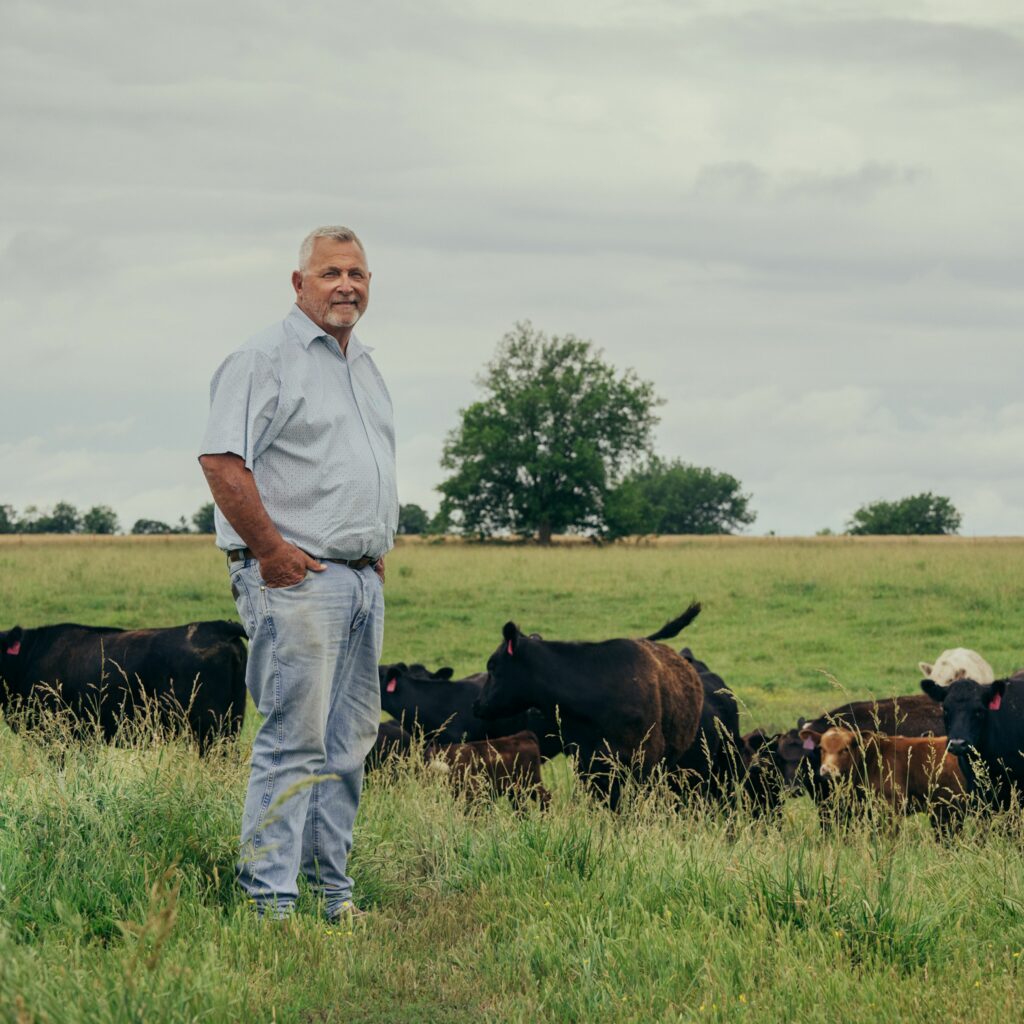
The Nature Conservancy Article: On Victor Ranch, Caring for Land and Community Goes Hand-In-Hand

Photo by the Oklahoma Department of Wildlife Conservation

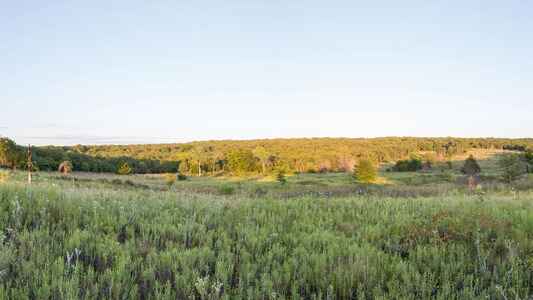
Theodore Roosevelt Conservation Partnership Nature-based Solutions Interactive Map: Oklahoma – Cross Timbers Quail Initiative

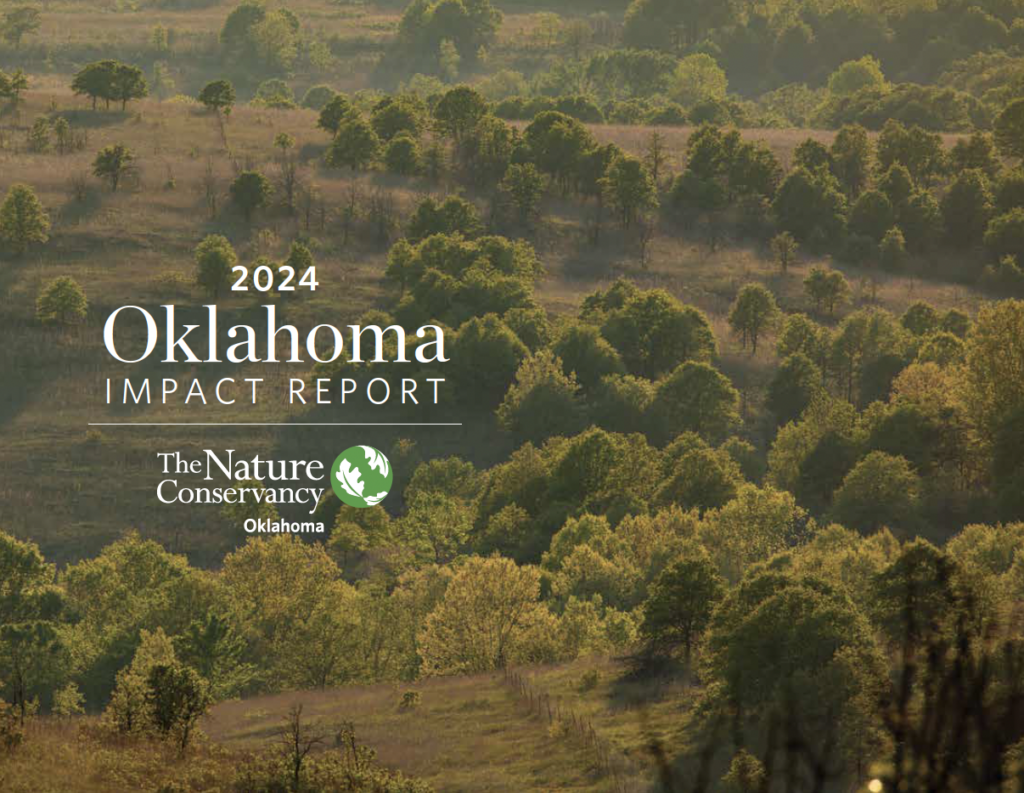
The Nature Conservancy in Oklahoma Report: 2024 Oklahoma Impact Report

A new national survey conducted by U.S. Nature4Climate shows that voters across party lines support natural climate solutions more than ever, suggesting fertile ground for bi-partisan cooperation and consensus-building, opening up new avenues for climate action. Learn more.

Explore U.S. Climate Alliance‘s Climate Policy Database.

Explore Nature4Communities, a resource that shows you how nature-based solutions are critical for your community’s well-being and become a better advocate for their implementation.
Natural Climate Solutions in Oregon

Natural Climate Solutions, also called Nature-Based Solutions, are actions that reduce emissions and increase carbon storage in forests, farms, grasslands and wetlands, while providing a host of additional benefits for people and the environment. 

Practices that could be included are actions like encouraging farming techniques that retain carbon in the soil, such as planting cover crops; conserving and replanting forests; conserving and restoring coastal wetlands; and reducing the loss of natural areas, planting trees, and providing parks in communities. 

Not only do these efforts help address climate change – they can improve water quality, prevent natural disasters like wildfire, drought, and flooding, protect wildlife habitat, and provide opportunities for hiking and fishing. Best of all, these solutions are cost effective, and can often improve local economies.

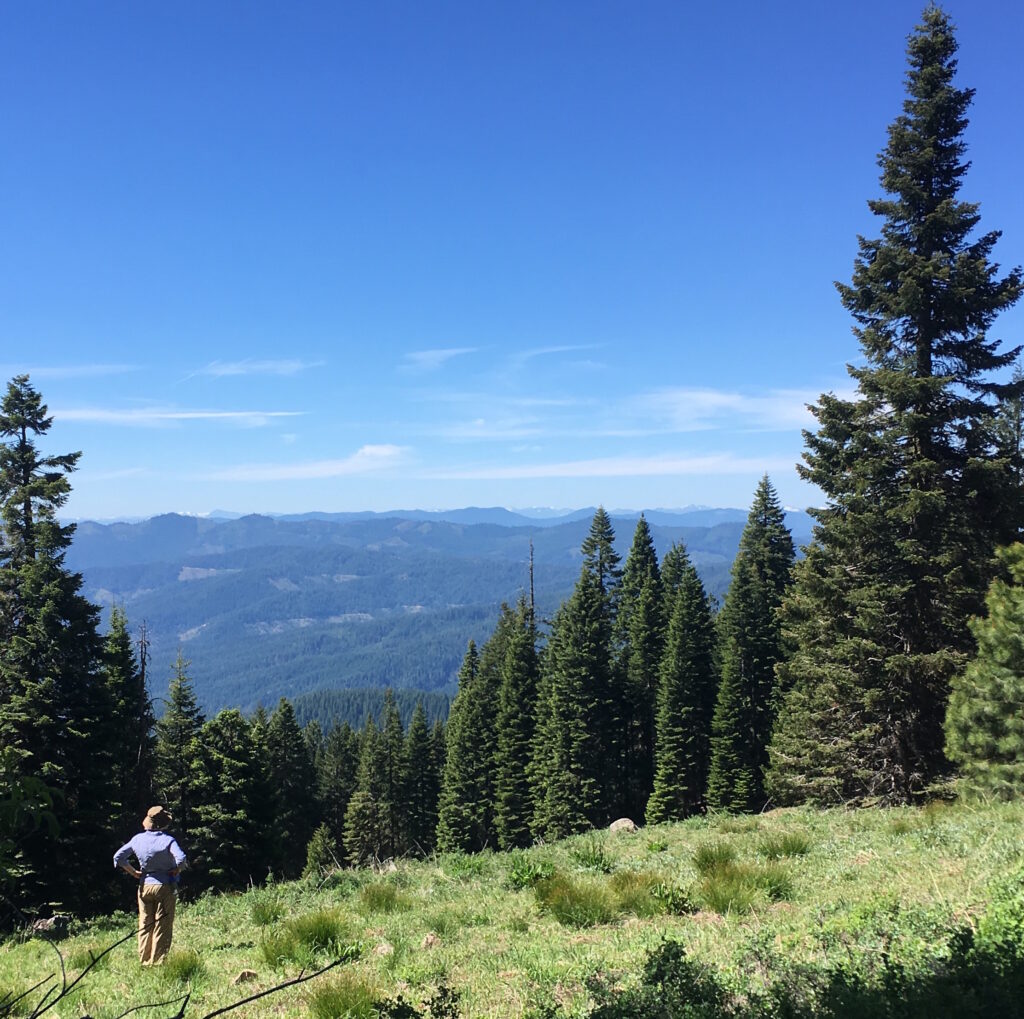
Below you can explore how people in Oregon are benefiting from implementing nature-based solutions in their community through a diverse set of resources from USN4C members and others, including blog articles, videos, comprehensive reports, and more.

Photo Credit: Andrew Studer / American Forests

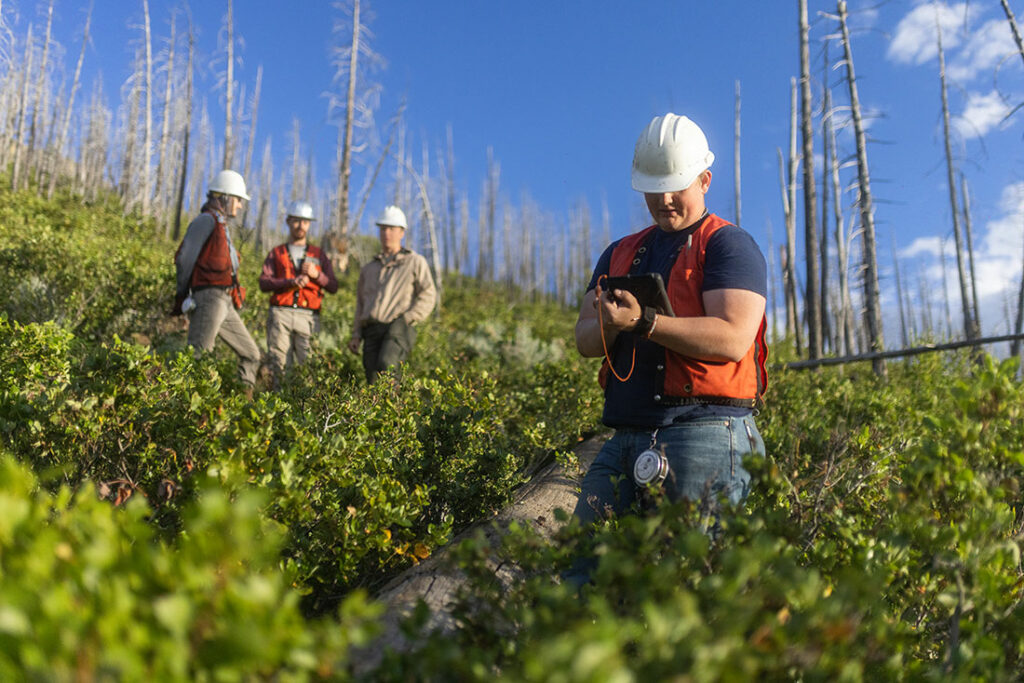
American Forests Magazine Article: Growing Back Together

Photo by Oregon ShoreZone for Pew

Pew Charitable Trusts Article: New Tool Identifies Carbon Hotspots in Oregon’s Largest Estuary

Photo by Pacific Forest Trust

U.S. Nature4Climate/Land Trust Alliance Article: Showing the Way: Managing the World’s Most Biodiverse Conifer Forests for Climate Resilience

Pacific States Marine Fisheries Commission, Institute for Applied Ecology, and Natural Resources Consultants Report: Restoring Tidal Swamps in the U.S. Pacific Northwest: Information for Restoration Practitioners

The Nature Conservancy Video: The Sagebrush Sea

A new national survey conducted by U.S. Nature4Climate shows that voters across party lines support natural climate solutions more than ever, suggesting fertile ground for bi-partisan cooperation and consensus-building, opening up new avenues for climate action. Learn more.

Explore U.S. Climate Alliance‘s Climate Policy Database.

Explore Nature4Communities, a resource that shows you how nature-based solutions are critical for your community’s well-being and become a better advocate for their implementation.

Nature-based Solutions in Pennsylvania

Natural Climate Solutions, also called Nature-Based Solutions, are actions that reduce emissions and increase carbon storage in forests, farms, grasslands and wetlands, while providing a host of additional benefits for people and the environment. 

Practices that could be included are actions like encouraging farming techniques that retain carbon in the soil, such as planting cover crops; conserving and replanting forests; conserving and restoring coastal wetlands; and reducing the loss of natural areas, planting trees, and providing parks in communities. 

Not only do these efforts help address climate change – they can improve water quality, prevent natural disasters like wildfire, drought, and flooding, protect wildlife habitat, and provide opportunities for hiking and fishing. Best of all, these solutions are cost effective, and can often improve local economies.

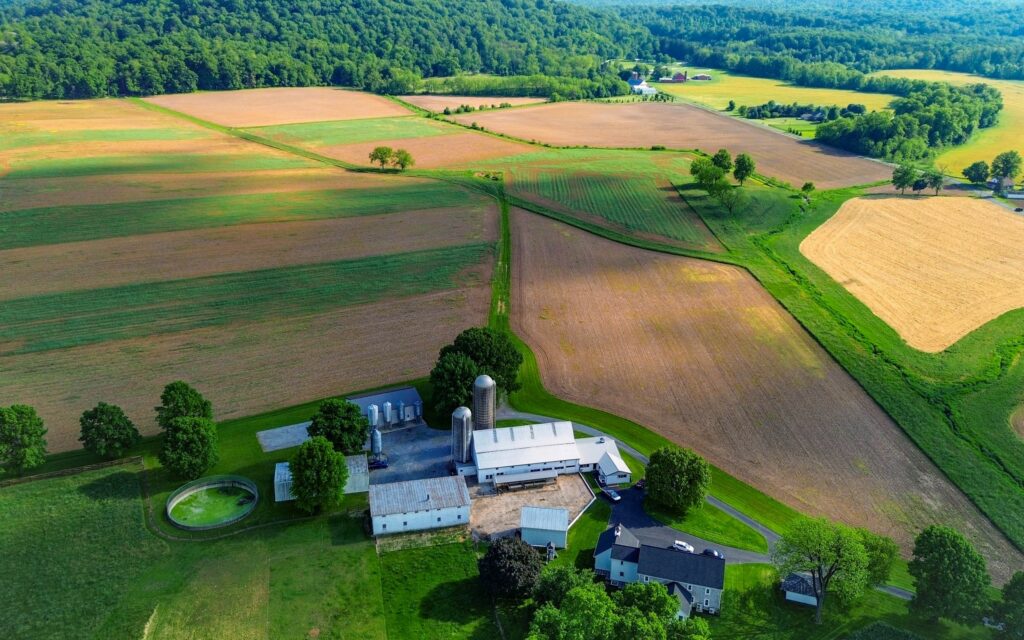
Below you can explore how people in Pennsylvania are benefiting from implementing nature-based solutions in their community through a diverse set of resources from USN4C members and others, including blog articles, videos, comprehensive reports, and more.

The Nature Conservancy Video: Trees in Peril

A new national survey conducted by U.S. Nature4Climate shows that voters across party lines support natural climate solutions more than ever, suggesting fertile ground for bi-partisan cooperation and consensus-building, opening up new avenues for climate action. Learn more.

Explore U.S. Climate Alliance‘s Climate Policy Database.

Explore Nature4Communities, a resource that shows you how nature-based solutions are critical for your community’s well-being and become a better advocate for their implementation.
Nature-based Solutions in Rhode Island

Natural Climate Solutions, also called Nature-Based Solutions, are actions that reduce emissions and increase carbon storage in forests, farms, grasslands and wetlands, while providing a host of additional benefits for people and the environment. 

Practices that could be included are actions like encouraging farming techniques that retain carbon in the soil, such as planting cover crops; conserving and replanting forests; conserving and restoring coastal wetlands; and reducing the loss of natural areas, planting trees, and providing parks in communities. 

Not only do these efforts help address climate change – they can improve water quality, prevent natural disasters like wildfire, drought, and flooding, protect wildlife habitat, and provide opportunities for hiking and fishing. Best of all, these solutions are cost effective, and can often improve local economies.

Below you can explore how people in Rhode Island are benefiting from implementing nature-based solutions in their community through a diverse set of resources from USN4C members and others, including blog articles, videos, comprehensive reports, and more.

The Nature Conservancy Video: Trees in Peril

A new national survey conducted by U.S. Nature4Climate shows that voters across party lines support natural climate solutions more than ever, suggesting fertile ground for bi-partisan cooperation and consensus-building, opening up new avenues for climate action. Learn more.

Explore U.S. Climate Alliance‘s Climate Policy Database.

Explore Nature4Communities, a resource that shows you how nature-based solutions are critical for your community’s well-being and become a better advocate for their implementation.
Nature-based Solutions in South Carolina

Natural Climate Solutions, also called Nature-Based Solutions, are actions that reduce emissions and increase carbon storage in forests, farms, grasslands and wetlands, while providing a host of additional benefits for people and the environment. 

Practices that could be included are actions like encouraging farming techniques that retain carbon in the soil, such as planting cover crops; conserving and replanting forests; conserving and restoring coastal wetlands; and reducing the loss of natural areas, planting trees, and providing parks in communities. 

Not only do these efforts help address climate change – they can improve water quality, prevent natural disasters like wildfire, drought, and flooding, protect wildlife habitat, and provide opportunities for hiking and fishing. Best of all, these solutions are cost effective, and can often improve local economies.

Below you can explore how people in South Carolina are benefiting from implementing nature-based solutions in their community through a diverse set of resources from USN4C members and others, including blog articles, videos, comprehensive reports, and more.

Photo Credit: Dan Chapman/USFWS for Pew

Pew Charitable Trusts Article: Why States Must Better Protect Tidal Forested Wetlands

Photo Credit: Kumar L. Goodwine-Kennedy Geechee Sea Island Coalition

U.S. Nature4Climate/Pew Charitable Trusts Blog Article: Salt Marsh Conservation on the Atlantic Coast – Where Blue Carbon Supports Diverse Partnership

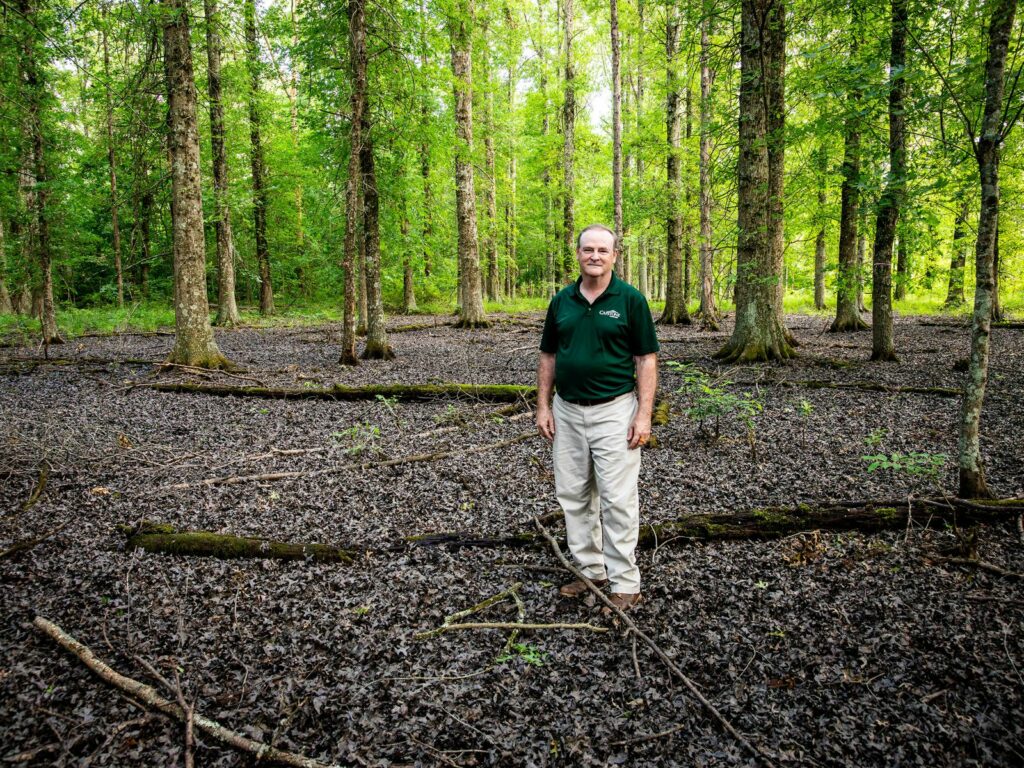
© Andrew Kornylak/TNC

The Nature Conservancy Article: To Protect the Water, They Set Fires

The Nature Conservancy in South Carolina Report: 2024 South Carolina Impact Report

A new national survey conducted by U.S. Nature4Climate shows that voters across party lines support natural climate solutions more than ever, suggesting fertile ground for bi-partisan cooperation and consensus-building, opening up new avenues for climate action. Learn more.

Explore U.S. Climate Alliance‘s Climate Policy Database.

Explore Nature4Communities, a resource that shows you how nature-based solutions are critical for your community’s well-being and become a better advocate for their implementation.

Nature-based Solutions in South Dakota

Natural Climate Solutions, also called Nature-Based Solutions, are actions that reduce emissions and increase carbon storage in forests, farms, grasslands and wetlands, while providing a host of additional benefits for people and the environment. 

Practices that could be included are actions like encouraging farming techniques that retain carbon in the soil, such as planting cover crops; conserving and replanting forests; conserving and restoring coastal wetlands; and reducing the loss of natural areas, planting trees, and providing parks in communities. 

Not only do these efforts help address climate change – they can improve water quality, prevent natural disasters like wildfire, drought, and flooding, protect wildlife habitat, and provide opportunities for hiking and fishing. Best of all, these solutions are cost effective, and can often improve local economies.

Below you can explore how people in South Dakota are benefiting from implementing nature-based solutions in their community through a diverse set of resources from USN4C members and others, including blog articles, videos, comprehensive reports, and more.

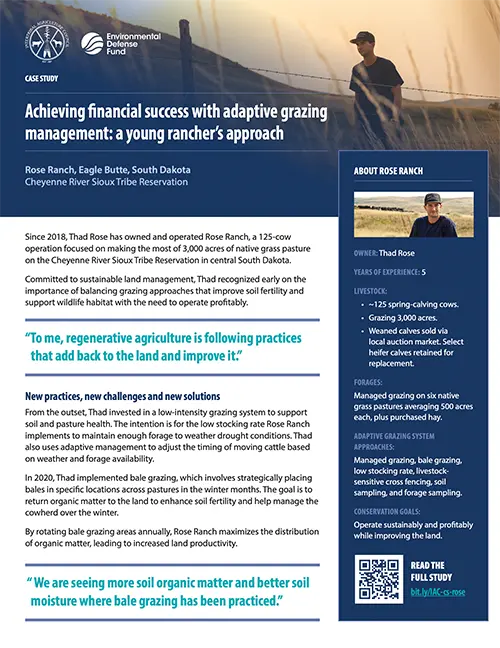
Environmental Defense Fund Case Study: Rose Ranch Case Study

© Joe Dickie, Generation Photography Inc. for TNC

The Nature Conservancy Article: Ranchers Unite Behind Nature-Based Solutions for Unpredictable Rainfall

A new national survey conducted by U.S. Nature4Climate shows that voters across party lines support natural climate solutions more than ever, suggesting fertile ground for bi-partisan cooperation and consensus-building, opening up new avenues for climate action. Learn more.
Explore U.S. Climate Alliance‘s Climate Policy Database.

Explore Nature4Communities, a resource that shows you how nature-based solutions are critical for your community’s well-being and become a better advocate for their implementation.